-
How Automated Packaging Machinery Is Reshaping Manufacturing Investment Decisions
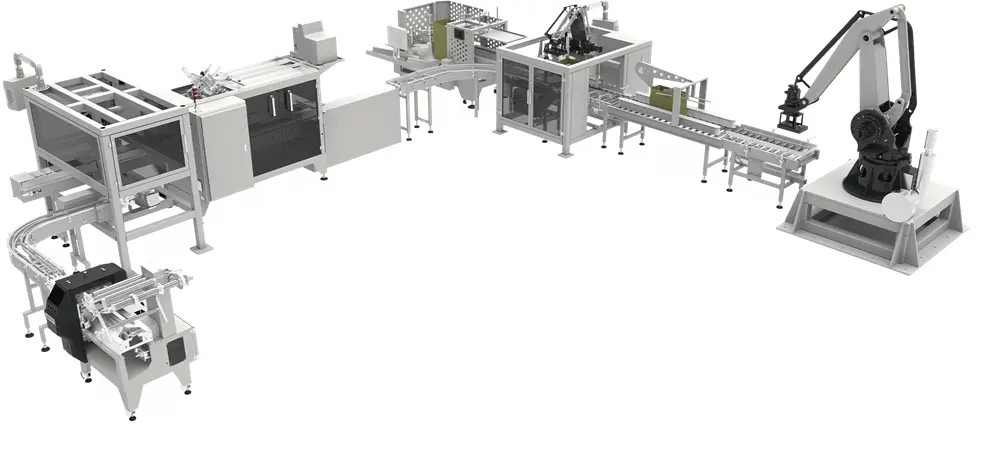
Industry newsThe most significant shift in packaging automation is not that machines have become faster or more intelligent. The real change lies in how manufacturers decide whether an equipment investment is worthwhile. Earlier decisions centered on purchase price, rated speed, and direct labor savings. Today those factors remain relevant, while effective capacity, SKU complexity, labor availability, equipment life cycle, production flexibility, and future expansion potential carry equal or greater weight.Detail
-
Top 7 Flow Wrapping Machine Manufacturers in the World
HFFS Machine BlogFlow wrapping machines are widely used in food manufacturing to package bakery products, biscuits, snacks, confectionery, frozen foods, and other products requiring efficient and consistent packaging. As production lines become more automated and product portfolios expand, manufacturers need equipment that can deliver stable output while supporting different package formats, film materials, and SKU requirements. Selecting a suitable supplier therefore involves more than comparing machine speed.Detail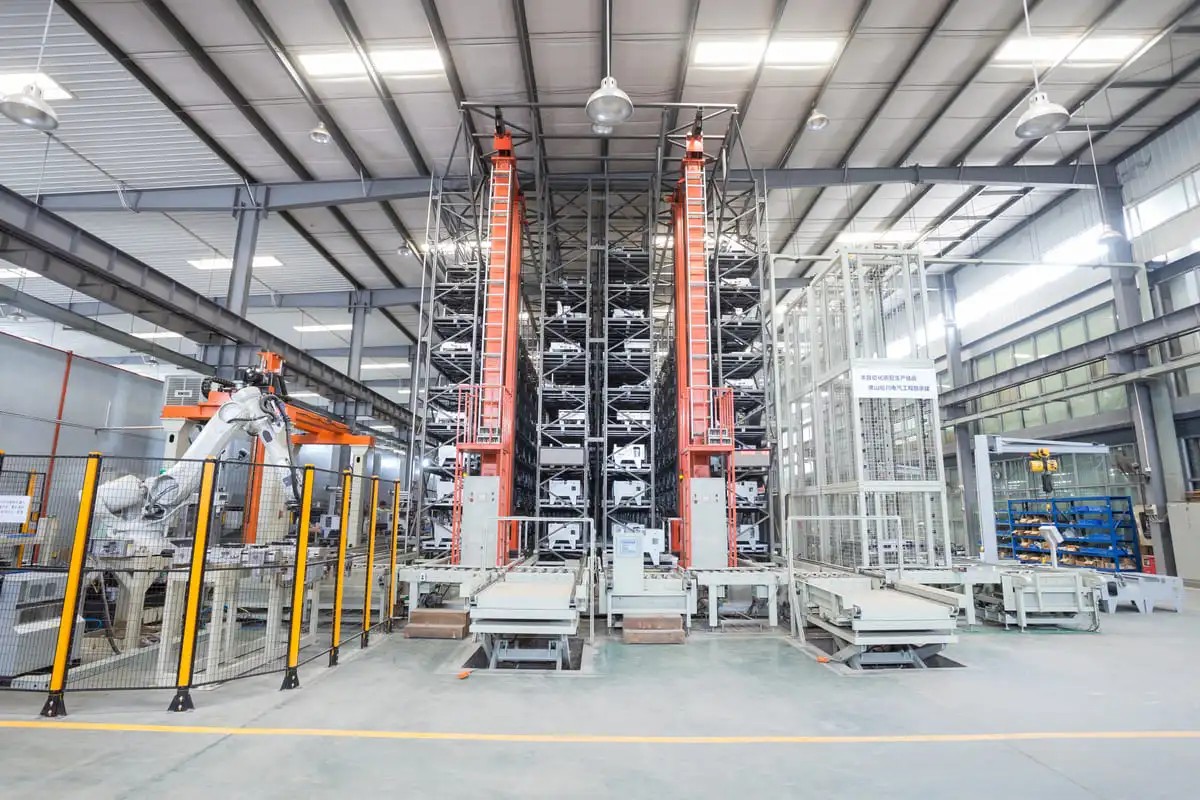
-
The Future of Flow Wrapping: 8 Technologies Food Manufacturers Should Watch
HFFS Machine BlogFood manufacturers face mounting pressure to raise throughput, cut waste, and adapt to shifting SKU mixes while meeting stricter sustainability and hygiene expectations. Flow wrapping sits at the center of many of these challenges. The machines that once focused mainly on speed now incorporate sensors, adaptive controls, and film-handling innovations that reshape entire packaging lines.Detail
-
How Smart Servo Technology Improves Flow Wrapping Performance
HFFS Machine BlogFlow wrapping performance depends on more than maximum packs per minute. At high production speeds, accurate film registration, stable product positioning, precise cutting and consistent sealing all influence packaging quality and output. Servo technology addresses these requirements through coordinated digital motion control.Detail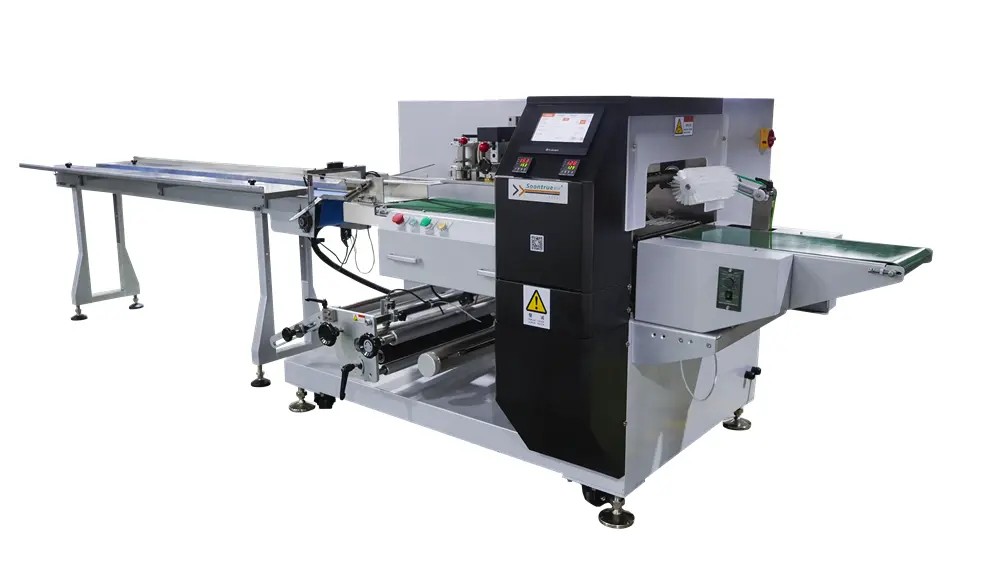
-
When to Combine Flow Wrapping with Tray Packing, Deoxidizer and End-of-Line Automation
HFFS Machine BlogMany food manufacturers begin with a single flow wrapper and achieve solid results on primary packs. As volumes rise and retail requirements tighten, the same line often needs additional modules that protect the product, extend shelf life, improve shelf presentation, and feed finished goods into automated secondary and tertiary packaging. Knowing exactly when each module becomes useful protects both capital and daily output. This guide examines the practical triggers for adding tray packing, oxygen scavenger insertion, and end-of-line automation to a flow-wrapping core.Detail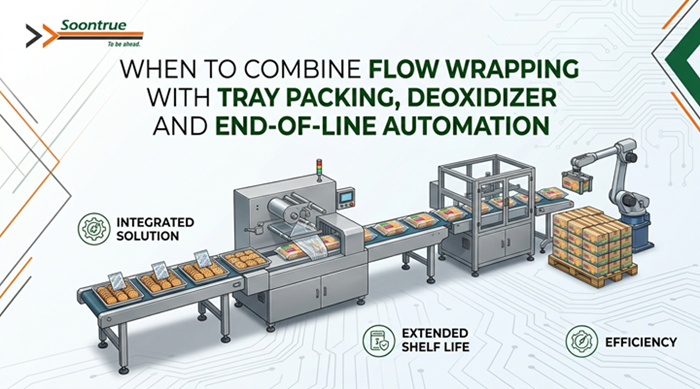
-
Multi-SKU Production: How Modern Flow Wrappers Improve Manufacturing Flexibility
HFFS Machine BlogFood manufacturers today manage more product variations than ever. Snacks appear in multiple flavors and pack sizes, bakery lines handle different dimensions, and contract packers switch between customer specifications throughout the day. As SKU portfolios expand, shorter runs and more frequent changeovers consume a growing share of packaging time.Detail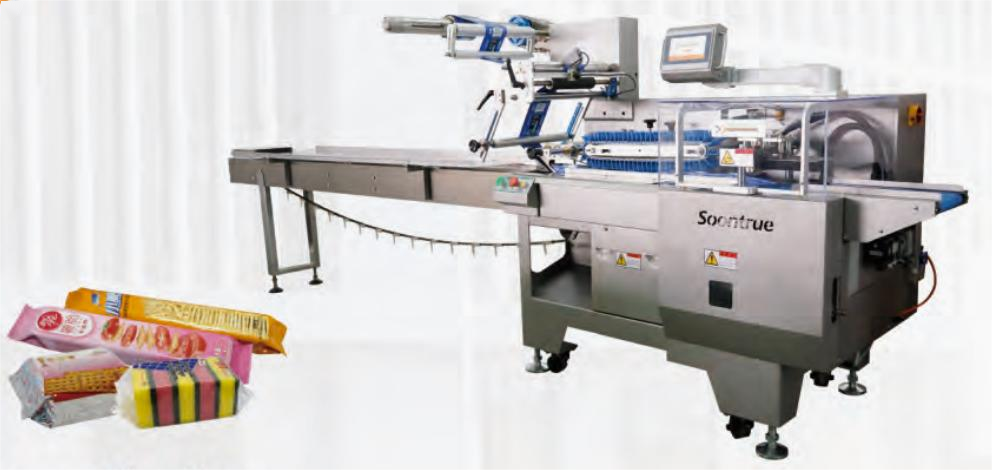
-
Hygienic Flow Wrapper Design for High-Sanitation Food Production
HFFS Machine BlogHigh-sanitation food production places demanding requirements on packaging equipment. Meat, fresh food, and frozen food can expose machinery to moisture, product residues, frequent cleaning, and changing production conditions. A hygienic flow wrapper should support effective sanitation while maintaining reliable packaging performance and equipment durability.Detail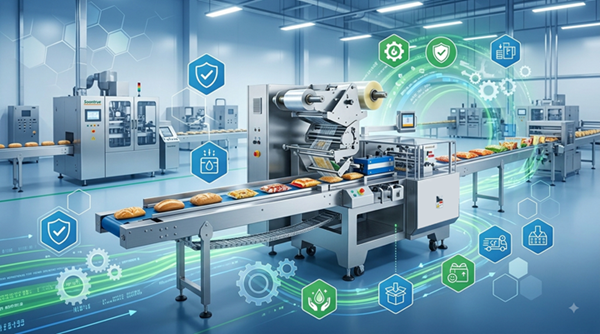
-
How Sustainable Packaging Is Reshaping Flow Wrapping Technology
HFFS Machine BlogSustainable packaging is reshaping flexible packaging as manufacturers adopt recyclable films, simplified material structures, and more efficient packaging formats. These changes also affect flow wrapping performance because film thickness, stiffness, friction, and thermal properties influence feeding, forming, sealing, and cutting.Detail
-
Integrating Flow Wrapping Machines into a Complete Automatic Packaging Line: A Guide for Food Manufacturers
HFFS Machine BlogStandalone packaging machines often create hidden friction on the factory floor. Product arrives at uneven intervals, film seals form inconsistently, and operators spend valuable time adjusting speeds by hand. Modern food plants move beyond isolated equipment toward fully coordinated automatic packaging systems. Within these systems the flow wrapping machine serves as the critical bridge between primary product protection and secondary carton or case packing.Detail