-
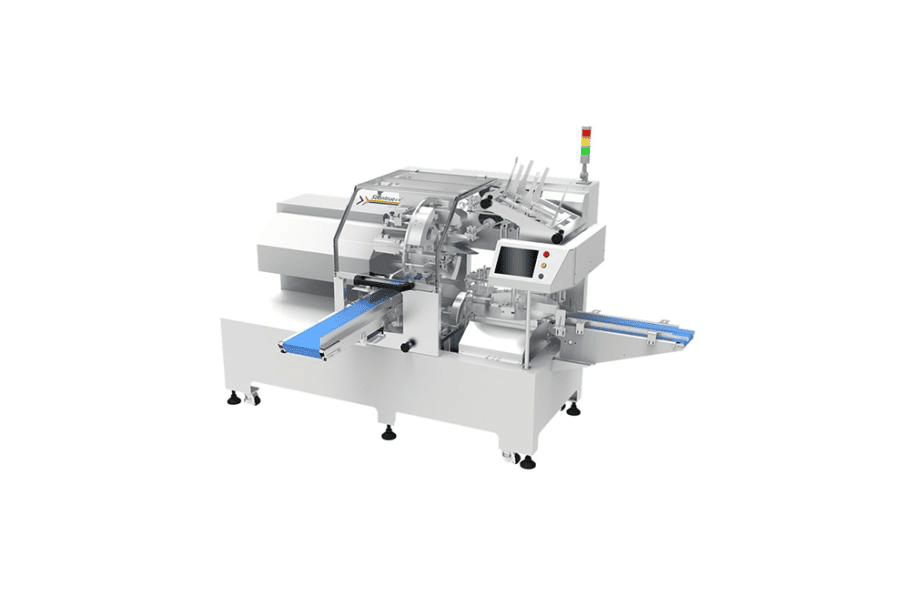
Box Motion vs Rotary Motion Flow Wrapper
Packaging Knowledge HubChoosing between a box motion and a rotary motion flow wrapper is one of the most important decisions when selecting a flow packing machine. While both technologies are widely used in horizontal flow wrapping, they are designed for different packaging goals, product characteristics, and sealing requirements. Many buyers assume that one system is always better than the other. In reality, the best choice depends on your product size, film structure, bag length, speed target, and seal quality requirements. Another common misunderstanding is cost. In many like-for-like comparisons, a box motion flow wrapper is usually more expensive than a rotary motion flow wrapper when the machine class, configuration, and brand level are similar. This guide explains the real differences between the two technologies and helps you understand when each solution is the better fit.Detail
-
Working Principle of Flow Wrapping Machines: How Horizontal Flow Wrappers Really Work
Packaging Knowledge HubA flow wrapping machine—also known as a horizontal flow wrapper or pillow packing machine—is designed to wrap individual or grouped products in a continuous film, seal the package, and discharge finished packs in one synchronized process. It is widely used for biscuits, bakery products, snacks, confectionery, frozen food, daily goods, and many non-food items because it combines high speed, stable pack appearance, and strong integration potential with cartoning and end-of-line automation.Detail
-
How Packaging Machines Work: Core Principles & Automation Technologies
Packaging Knowledge HubModern packaging machines may look very different on the surface. A flow wrapping machine runs products horizontally through film. A VFFS machine forms bags vertically from a roll of film. A premade pouch packing machine opens and fills ready-made pouches. A cartoner loads products into cartons, while a case erector, case packer, and robotic palletizer complete the end-of-line process. Yet despite these differences, most automated packaging systems are built on the same engineering logic: they must control product flow, material flow, timing, motion, sealing energy, and quality verification in a synchronized and repeatable way.Detail
-
Why Are Food Brands Shifting to Flexible Sauces Packaging Solutions?
Packaging Knowledge HubDiscover why flexible pouches are replacing glass jars for sauces. Explore top trends like spouted doypacks, stick packs, and sustainable mono-materials.Detail
-
What Is the Automated Packaging Process in Food Manufacturing?
Packaging Knowledge HubDiscover the core components of the automated packaging process for food. Learn how Soontrue's packing machines boost ROI, hygiene, and line speed.Detail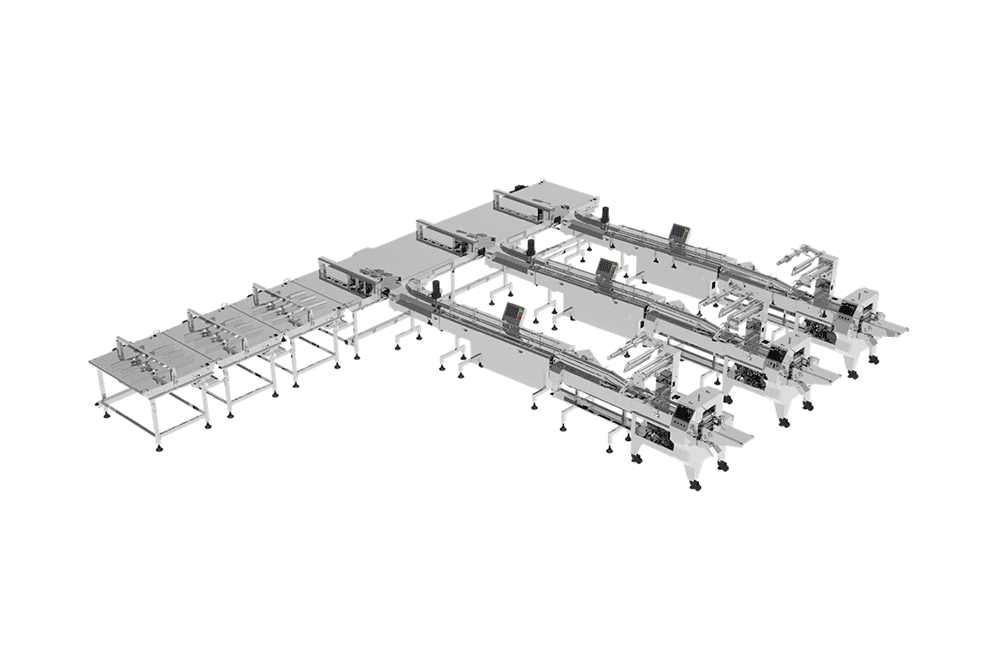
-
Premade Pouch vs. FFS Machines: Which Fits Your Line?
Packaging Knowledge Hubpremade pouch vs ffs, vffs vs premade pouch, form fill seal machine, premade pouch packing machine, packaging machine comparison, co-packer equipmentDetail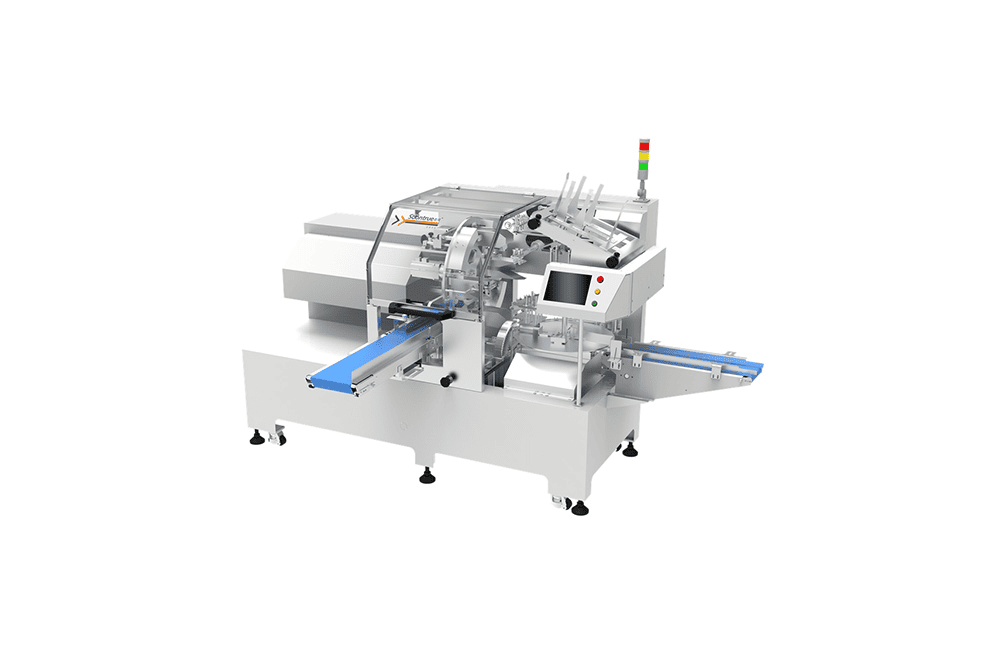
-
How to Choose the Right Sauce Packaging Machine for Your Product
Packaging Knowledge HubDiscover how to select the best sauce packaging machine. Compare piston vs. pump fillers, VFFS vs. premade pouch machines, and learn about anti-drip technology.Detail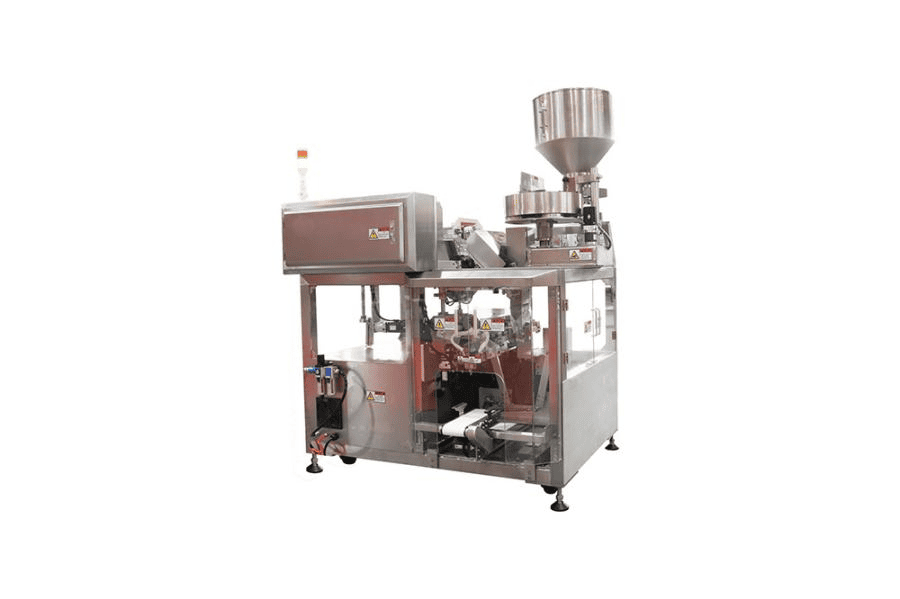
-
Guide to Integrated Automated Packaging Systems in Food Manufacturing
Packaging Knowledge HubDiscover how to scale food packaging automation from primary wrapping to robotic palletizing. Learn integration strategies to boost ROI and line speed.Detail
-
A Comprehensive Guide to Premade Pouch Packing Machines
Packaging Knowledge HubDiscover how premade pouch packing machines work. Compare rotary vs horizontal models, review the 5-step filling process, and learn how to choose the right equipment.Detail