-
Next-Gen Food Packaging Lines: Balancing High-Speed Automation, Sustainable Material Saving, and Hygiene Compliance
Packaging Knowledge HubFood processing plants face rising pressure to deliver higher throughput while meeting stricter hygiene rules and sustainability targets. Primary packaging, secondary cartoning or case packing, and tertiary palletizing can no longer operate as isolated stations. When these stages remain disconnected, speed mismatches create accumulation, product damage increases, and labor costs climb. Fully integrated packaging lines close those gaps by synchronizing every transfer from infeed to finished pallet.Detail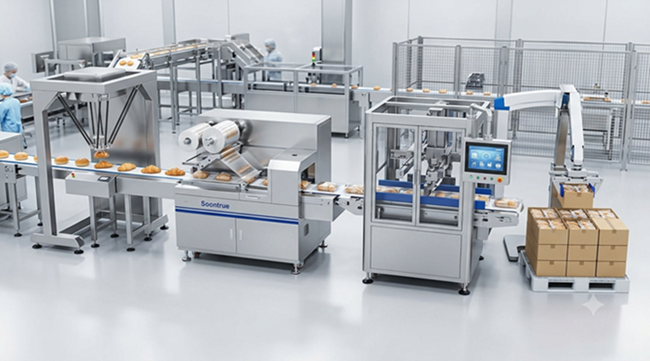
-
What Is a Packaging Machine? A Comprehensive Exploration of Its Definition, Evolution, and Role in Modern Manufacturing
Packaging Knowledge HubPackaging machines have become one of the most important pillars of modern industrial manufacturing. Once regarded merely as supporting equipment, they now play a decisive role in determining production efficiency, quality stability, hygiene compliance, product safety, cost structure, labor reduction, and the market competitiveness of a factory. As global consumer demand continues to evolve and industries shift toward high-speed, high-precision, and high-hygiene production environments, packaging machinery has moved from the sidelines to the core of global manufacturing operations. In many sectors—especially food, pharmaceuticals, daily chemical products, and industrial consumables—automation is no longer optional; it is an inevitable requirement. To fully understand why packaging machines are so essential today, it is necessary to examine what they are, where they came from, how they evolved, and why they now serve as foundational infrastructure for global manufacturing. This long-form article provides an expert-level, highly detailed, deeply integrated look into packaging machines from definition to history, from mechanisms to trends, and from industrial applications to strategic value. The goal is to enable readers—whether engineers, procurement managers, distributors, investors, or new learners—to gain a complete and practical understanding of the packaging machinery industry.Detail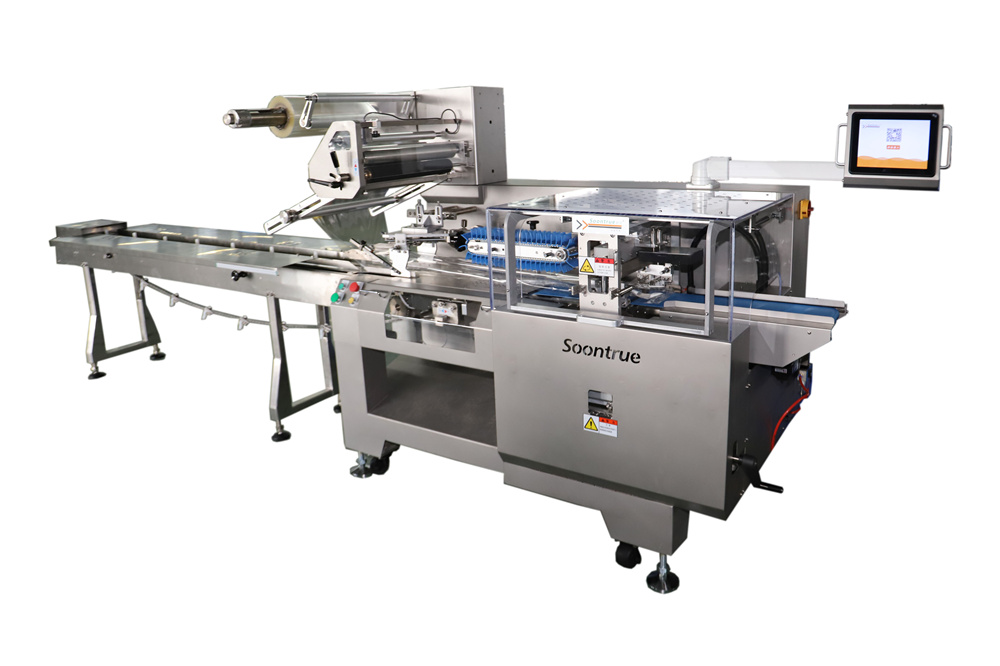
-
Packaging Machine Classification & Types: A Comprehensive Industrial Guide
Packaging Knowledge HubIntroduction Packaging machines form the structural backbone of global manufacturing, silently enabling the movement of goods through the world's supply chains and ensuring that products in supermarkets, pharmacies, and industrial markets arrive safely, hygienically, and attractively. Although consumers rarely think about the machinery that places their biscuits into pillow bags or their coffee into stand-up pouches, packaging equipment lies at the center of production efficiency, hygiene compliance, and brand consistency. Understanding how packaging machines are classified, why different structures exist, and how various industries apply these machines is critical for professionals across engineering, procurement, production management, automation planning, and investment analysis. The classification of packaging machinery is not simply a matter of sorting machines into categories; it is a reflection of how different products behave, how industries operate, what packaging materials require, and what markets expect. This article presents a deeply integrated, narrative-style overview of packaging machine classification and applications, offering a unified framework that aligns with modern industrial needs and helps readers understand both the complexity and elegance of packaging automation.Detail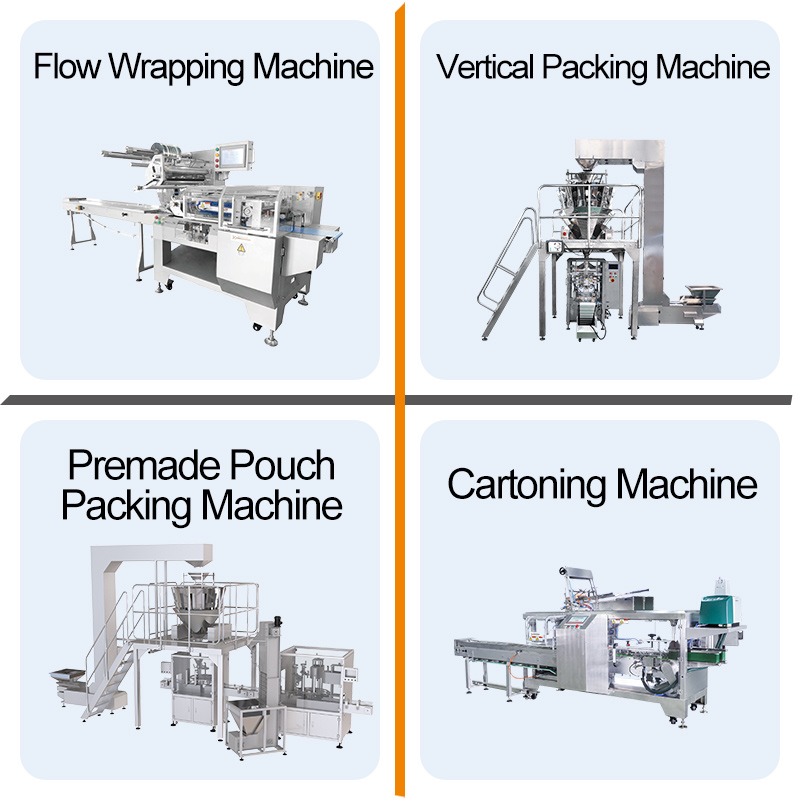
-
Strategic trends that will influence your decisions in flexible packaging machinery in 2026
Industry newsFacing labor shortages and sustainability mandates? Discover the 4 strategic trends shaping flexible packaging in 2026: Green Engineering, Industry 4.0, Hyper-Agility, and Global Dynamics.Detail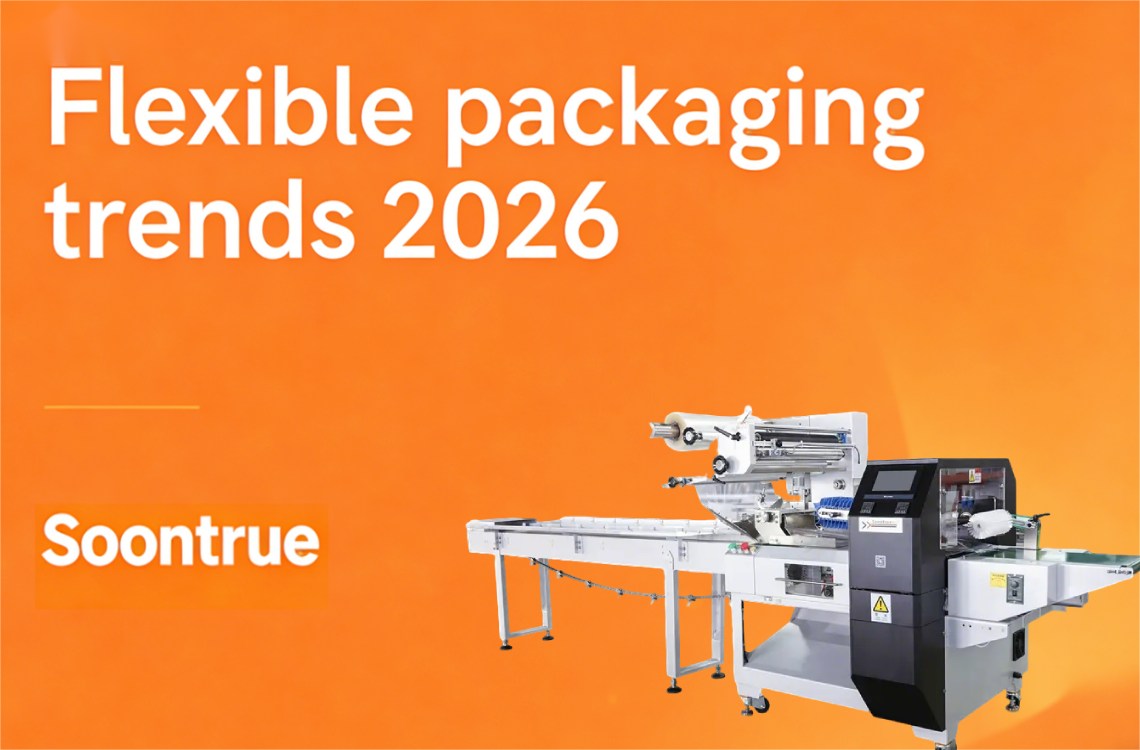
-
Packaging Machinery Outlook 2026
Packaging Knowledge HubExplore the $71.1B packaging machinery market forecast for 2026. Learn how labor shortages and green materials (Mono-PE) are driving demand for VFFS, ultrasonic sealing, and IIoT automation.Detail
-
Automated Packaging Lines Explained: Functional Components and End-to-End Solutions
Packaging Knowledge HubIn the modern manufacturing landscape, the shift towards automation is not merely a trend but an undeniable necessity. Businesses globally are increasingly recognizing the critical role of automated packaging lines in achieving unparalleled efficiency, significantly reducing operational costs, and ensuring consistent product quality. An automated packaging line is defined as an integrated system comprised of a series of interconnected automated machines designed to streamline the entire packaging process, from initial product handling and primary packaging to secondary packaging and final palletizing.Detail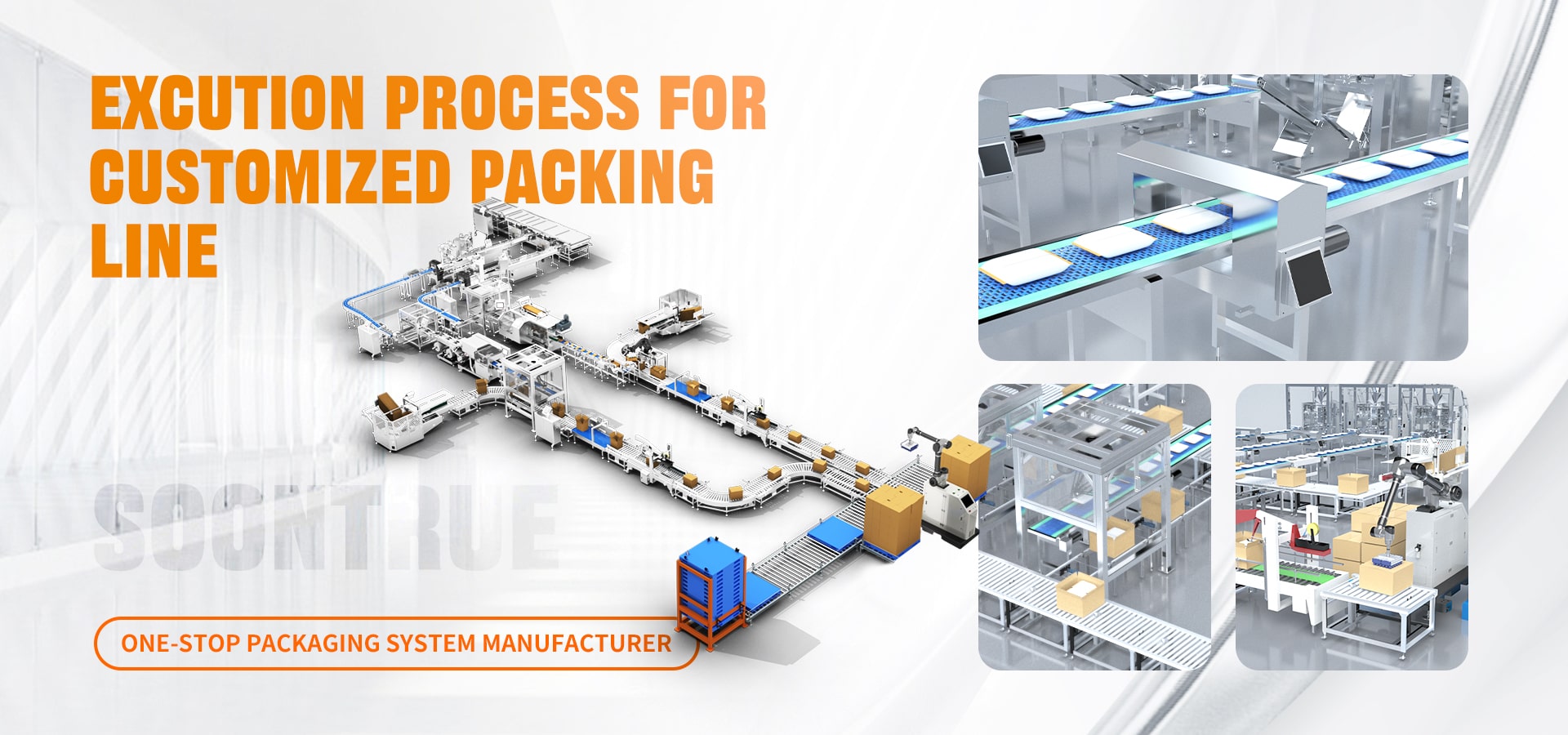
-
How Our Box Erecting Solution Eliminates Packaging Bottlenecks
Industry newsIn fast-paced production environments, it's often not the big things—but the overlooked ones—that create the biggest slowdowns. If you're relying on manual or semi-automatic case forming, your box erection process could be the hidden bottleneck that's dragging down your entire packaging line. This is exactly where an intelligent box erecting solution makes all the difference.Detail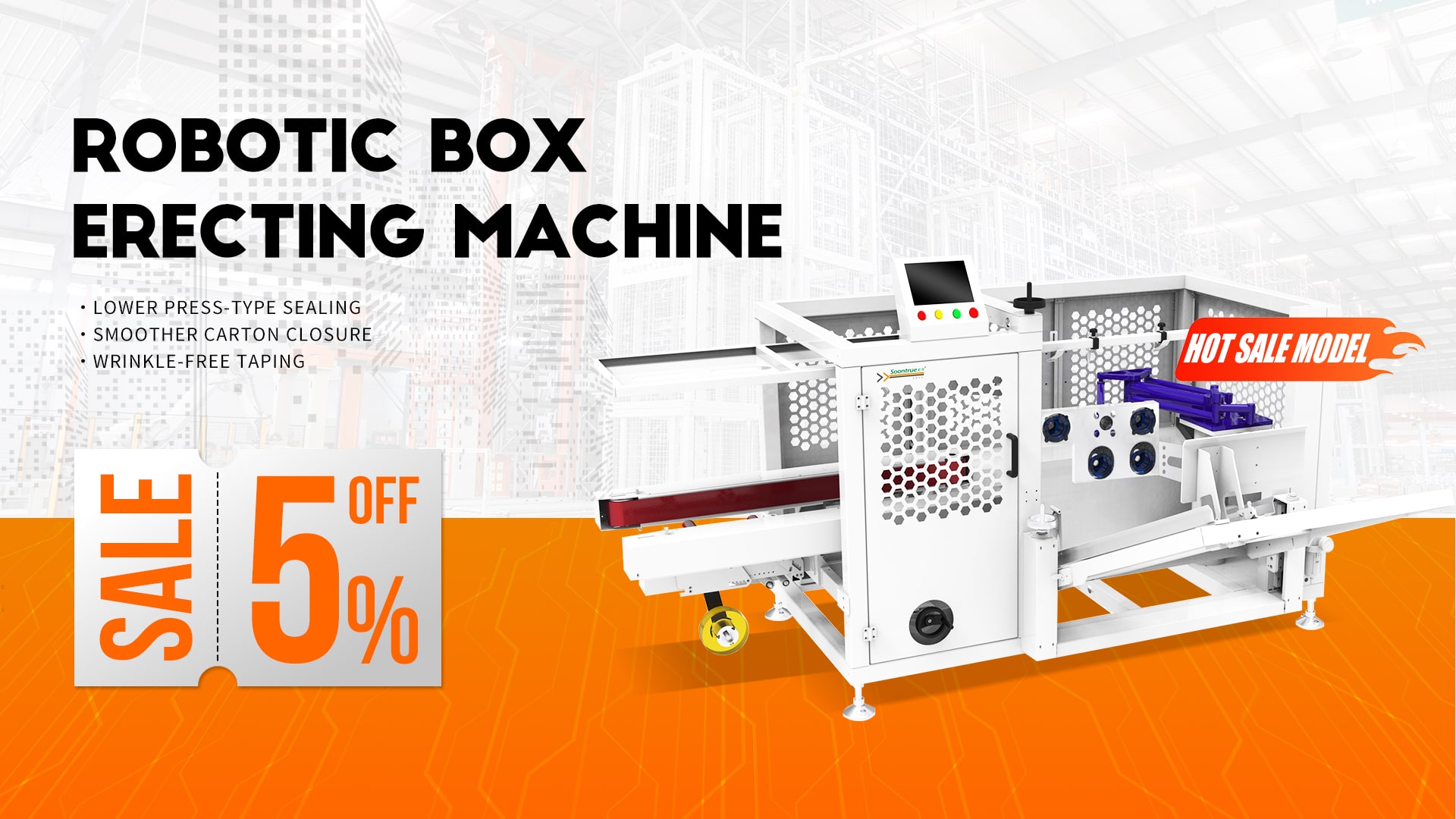
-
Heat Shrink Packaging Machines: Technical Features, Industry Applications
Packaging Knowledge HubIn the dynamic landscape of modern packaging, heat shrink packaging stands as a cornerstone technology, indispensable across a vast array of industries. From securing multi-packs of beverages to protecting delicate electronics, its versatility and efficiency are unmatched. At its core, a heat shrink packaging machine utilizes thermal energy to cause a specialized film to shrink and tightly conform to a product, creating a secure, visually appealing, and often tamper-evident package. This comprehensive guide will delve into the intricate technical features of heat shrink packaging machines, explore their pivotal applications across key industries, and discuss the strategic considerations for their selection and maintenance. This article is crafted for packaging industry professionals, manufacturing decision-makers, and equipment procurement specialists seeking to optimize their operations and understand the future trajectory of packaging solutions.Detail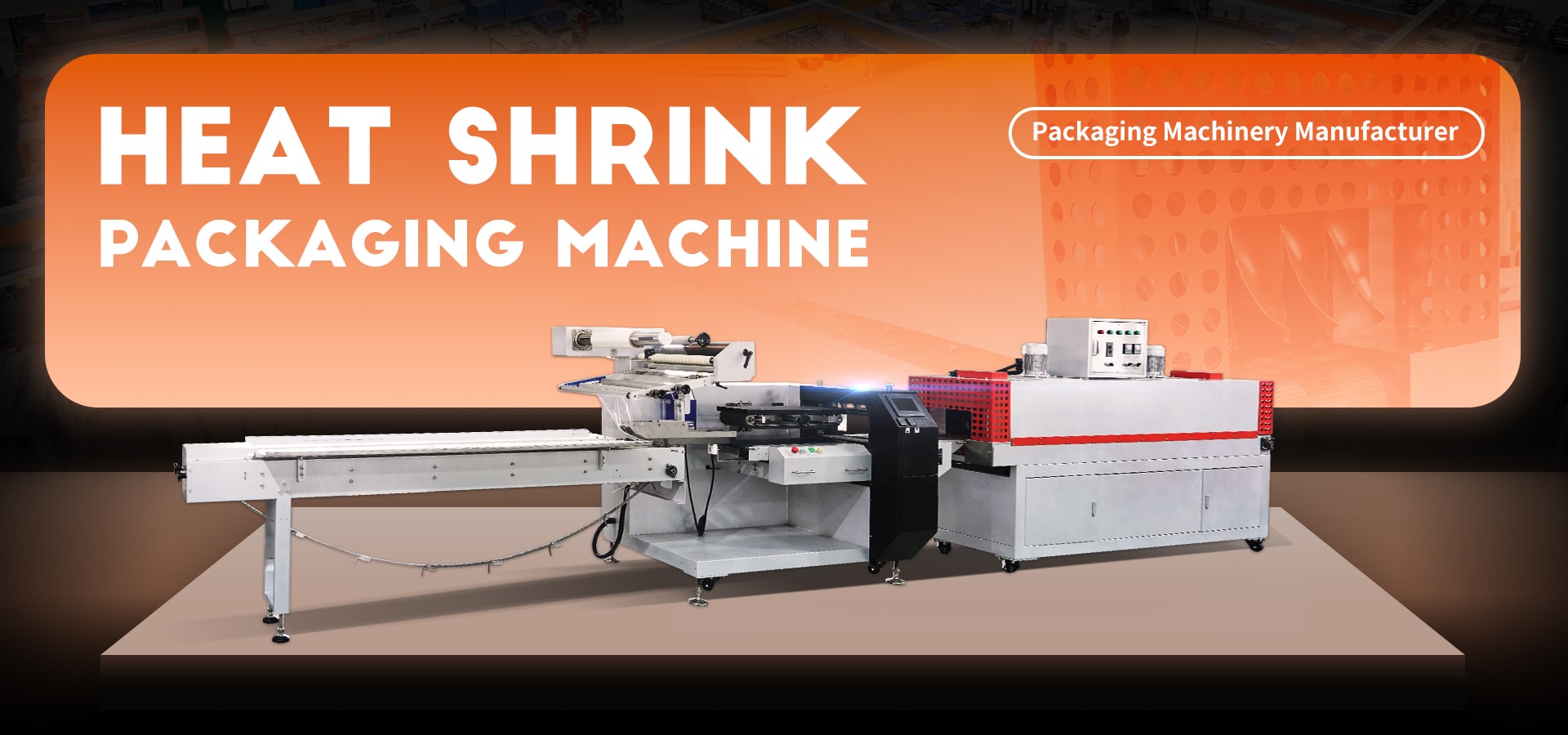
-
Premade Pouch Packing Machine: Systems, Types, Weighing & Applications
Packaging Knowledge HubThis article is part of the Soontrue Packaging Knowledge Series under the "Packaging Machine Classification & Applications" section. For a broader introduction to packaging concepts, see Packaging Machine Definition & History.Detail