Packing Line

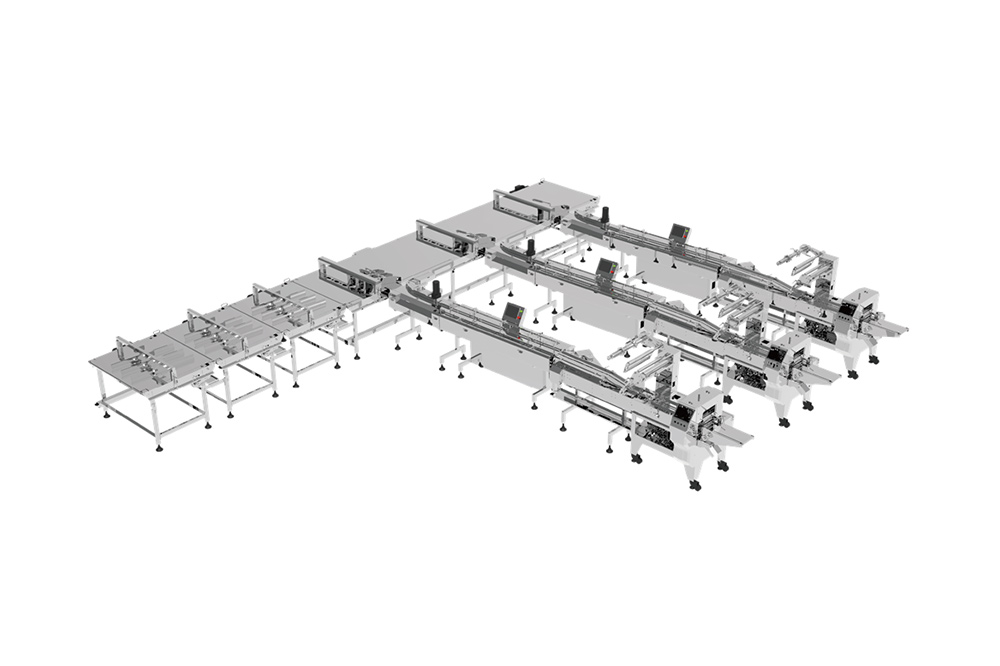
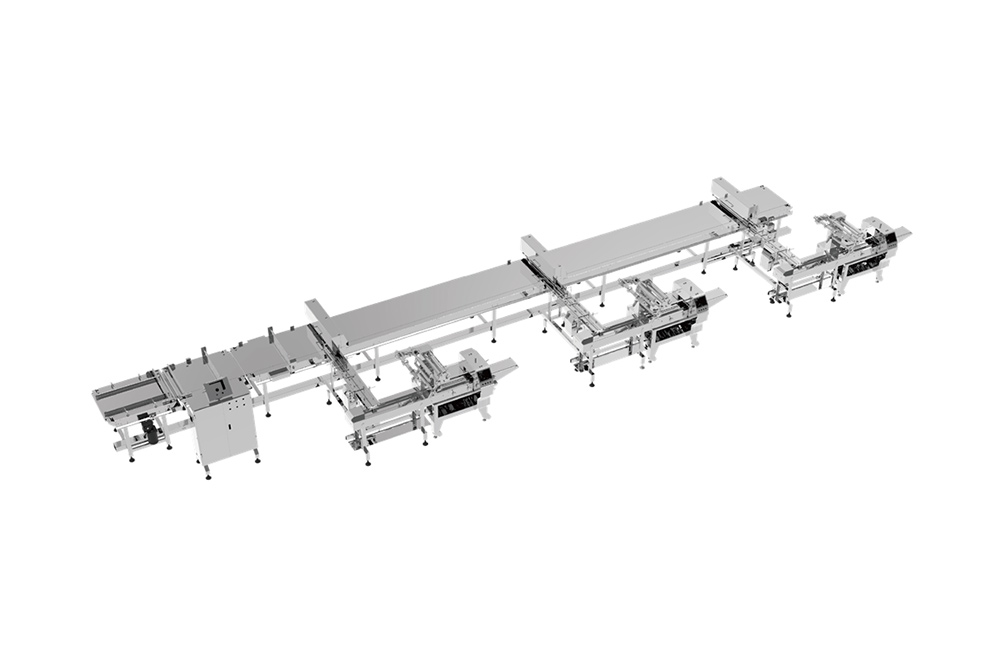
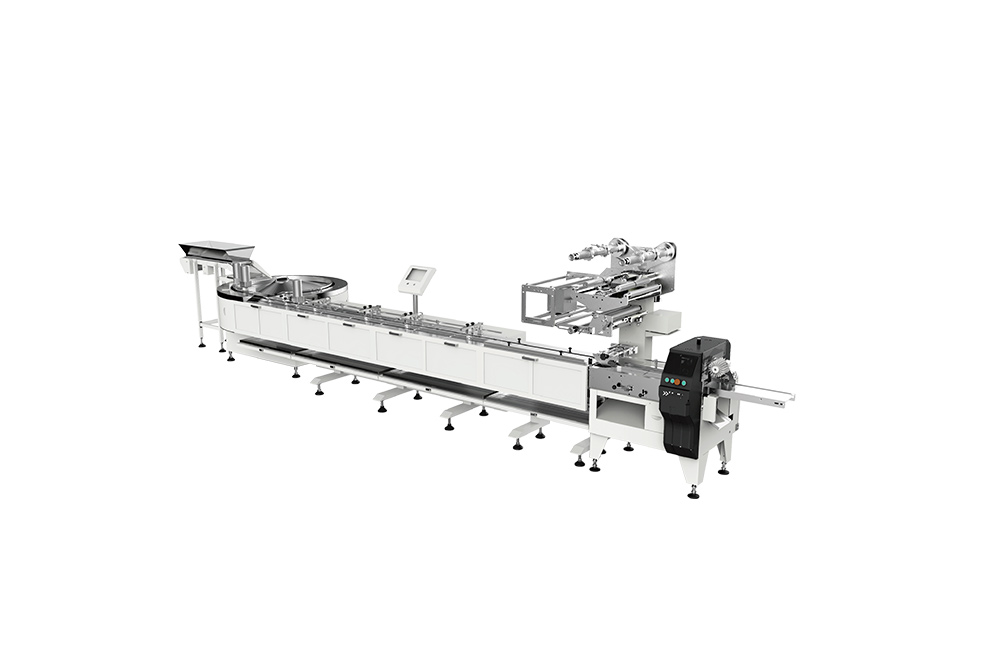
Packing Line Solutions for Food Industry and End-of-Line Automation

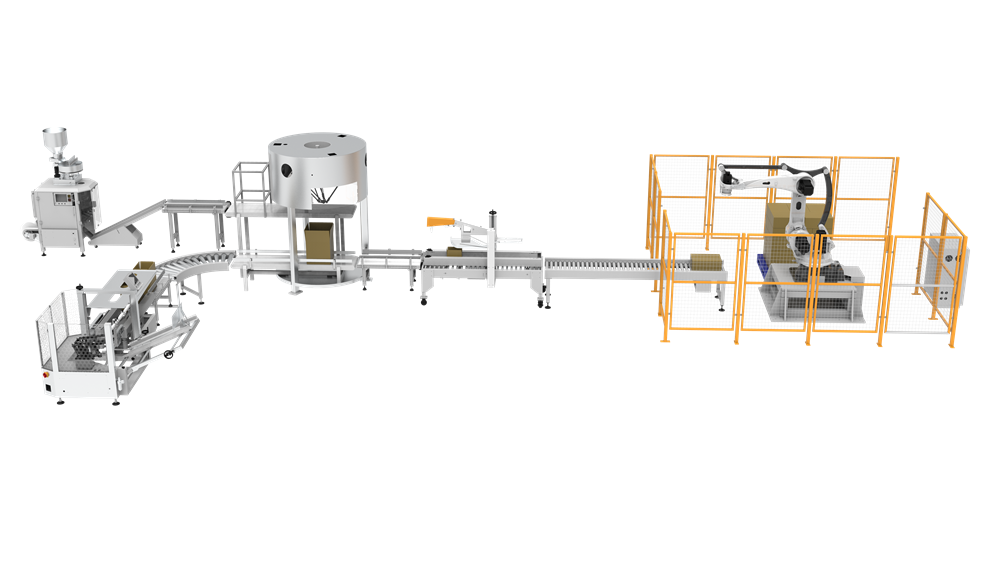
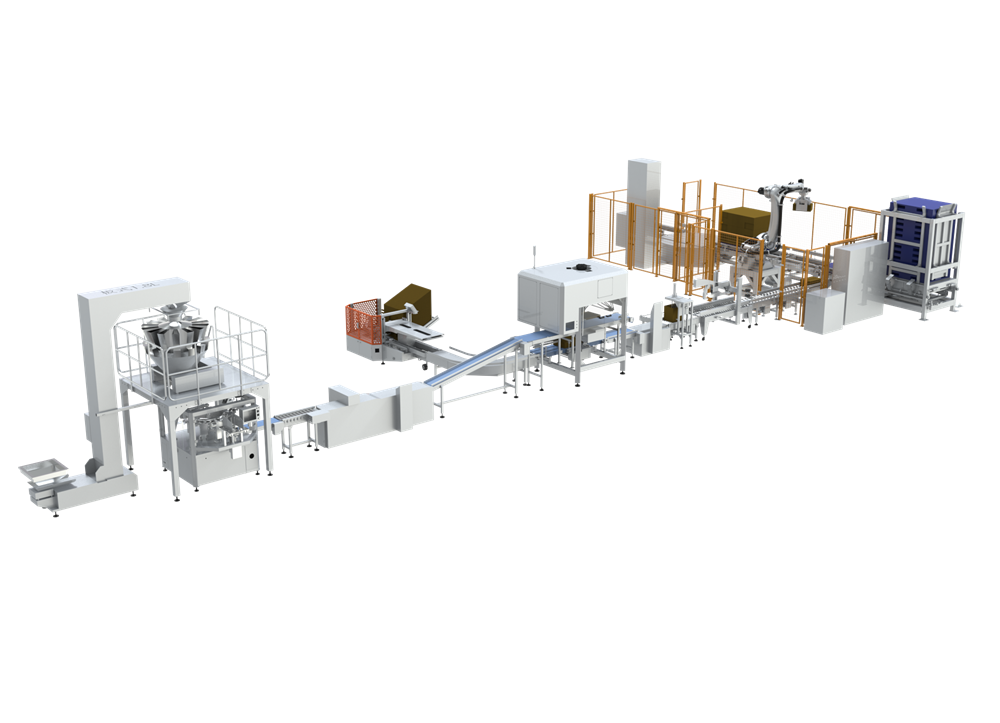
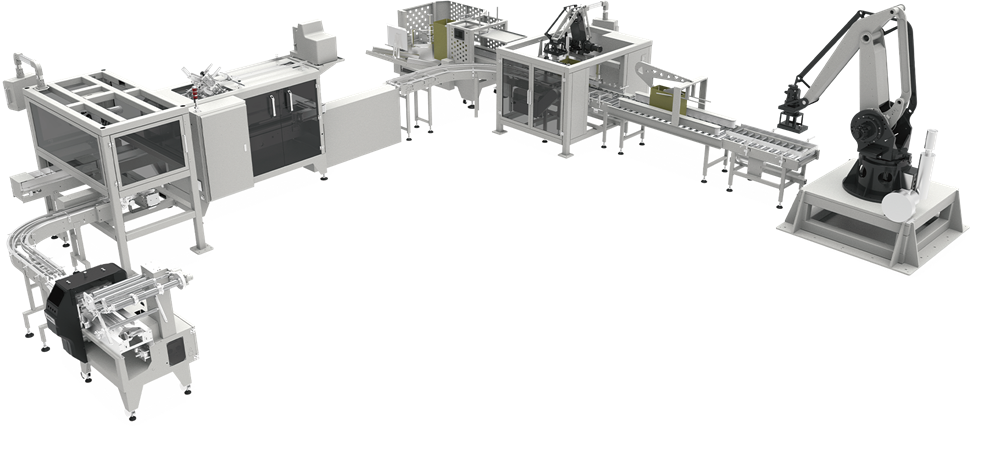
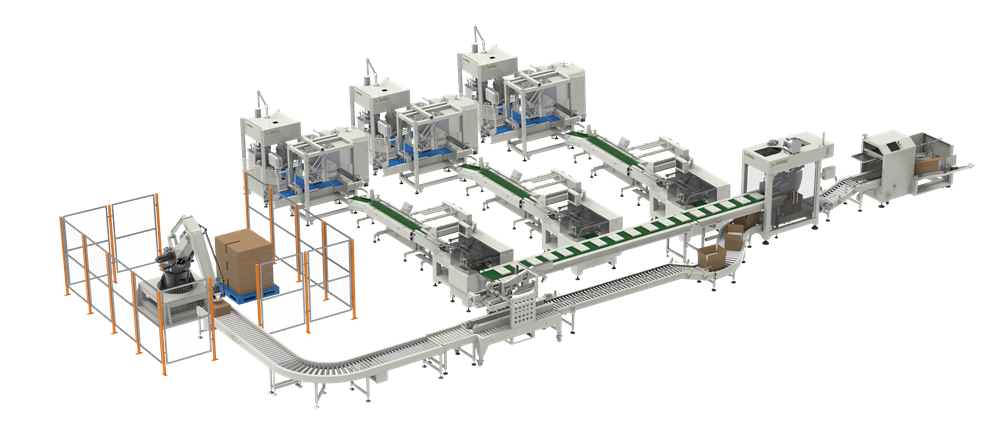
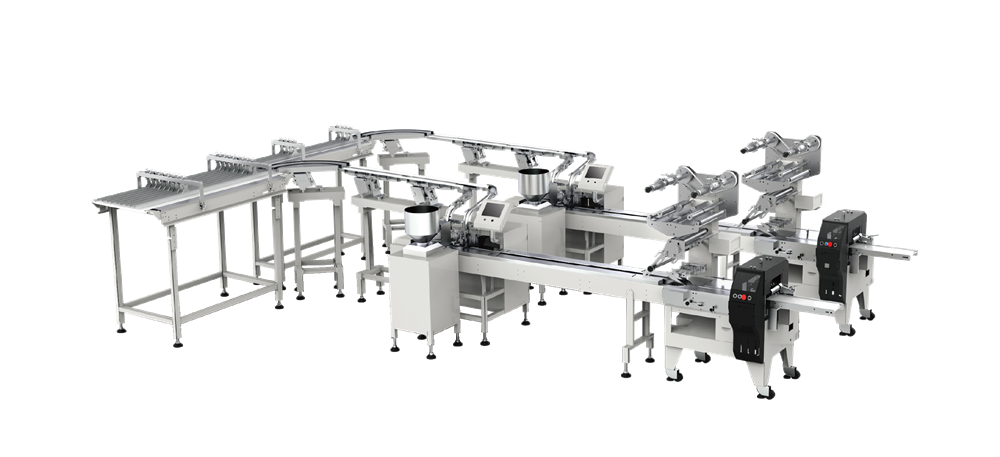
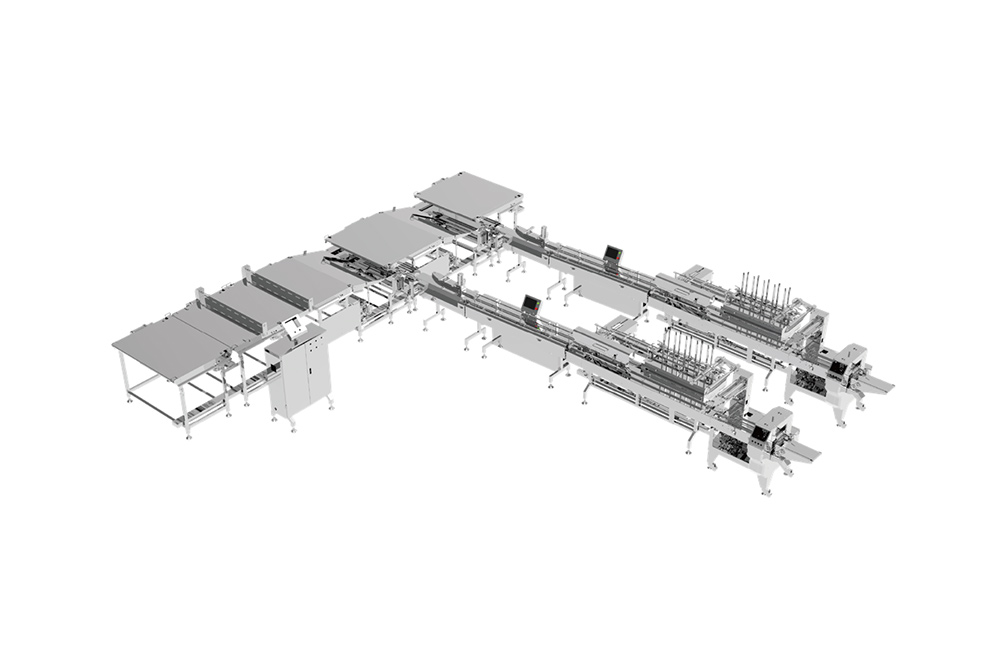
Our packing line solutions are engineered for the food industry and end-of-line packaging automation. Designed to handle everything from product sorting and primary packaging to case packing and palletizing, these systems improve efficiency, ensure hygiene, and reduce manual labor. Whether you're processing frozen foods, baked goods, snacks, or ready meals, our lines can be customized for various product sizes, pack formats, and production speeds.

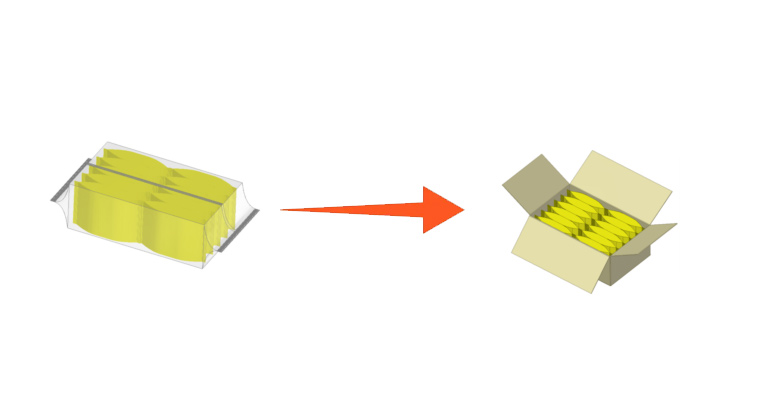
We specialize in one-stop end-of-line packing lines—integrating case erectors, sealers, robotic case packers, and palletizers into a seamless, automated system. These solutions ensure high-speed, consistent output while minimizing human contact, making them ideal for modern food manufacturers aiming to scale production and meet strict hygiene standards.

Browse our packing line solutions or contact us to discuss your specific food packaging needs.

Why Choose Automatic Packing Lines?

  1. Increased Efficiency: Automatic packing lines reduce reliance on manual labor and ensure faster packing with fewer errors.
  2. Customizable for Various Products: From food to consumer goods, these lines can be adapted to handle different product sizes, weights, and types.
  3. Comprehensive Solutions: One-stop systems cover all stages of the packaging process, including sorting, case packing, and palletizing.
  4. Enhanced Safety and Hygiene: Automated packing minimizes human contact, ensuring safer and more hygienic packaging, especially for food products.

In conclusion, automatic packing lines, whether focused on food packaging or one-stop solutions, are essential for modern businesses aiming to increase efficiency, reduce costs, and maintain high-quality standards. They are fully customizable to meet specific production needs and provide end-to-end packaging solutions from sorting to palletizing.
FAQ:


Q: What is the typical Return on Investment (ROI) for a fully automated packing line, and can you provide a financial model?

A: The typical Return on Investment (ROI) for our clients ranges from 18 to 36 months. This timeframe is influenced by factors like your local labor costs, the number of operational shifts, and the line's overall complexity. We provide a tailored cost-benefit analysis, not a generic estimate. Our team will work with you to model quantifiable savings from reduced labor, increased throughput, and minimized product waste, delivering a robust business case to support your investment decision.


Q: What is the required factory floor footprint for a complete turnkey packing line?

A: The footprint is highly customized to your needs. Our engineering philosophy is centered on modular, compact design to maximize your floor space. During the initial consultation, we use your facility’s CAD drawings to create a preliminary layout proposal. This ensures the system not only fits but also optimizes your plant’s logistical flow for materials and personnel.


Q: how do you minimize downtime during installation?

A: We are acutely aware that production uptime is critical. Therefore, we develop a detailed project implementation plan and schedule the installation phase to coincide with your planned shutdowns or off-peak periods, ensuring a swift deployment with minimal disruption to your operations.


Q: How long does a product changeover take, and is it tool-less?

A: Rapid changeover is a core design feature. By incorporating SMED (Single-Minute Exchange of Die) principles, pre-programmed recipes on the HMI, and quick-release mechanisms, a trained operator can typically complete a changeover in under 15-25 minutes. Most adjustments are tool-less, significantly boosting your operational agility for handling high-mix, low-volume production runs.


Q: Can your control system integrate with our existing MES and ERP platforms?

A: Yes, seamless integration is standard. Our control platforms are built on an open architecture, supporting industry-standard protocols like OPC-UA. This enables direct, real-time data exchange with your Manufacturing Execution System (MES) and Enterprise Resource Planning (ERP) software. 


Q: Can you provide case studies  in the food industry?

A: We have a deep portfolio of successful installations across the food sector, including frozen foods, baked goods, and ready meals.