-
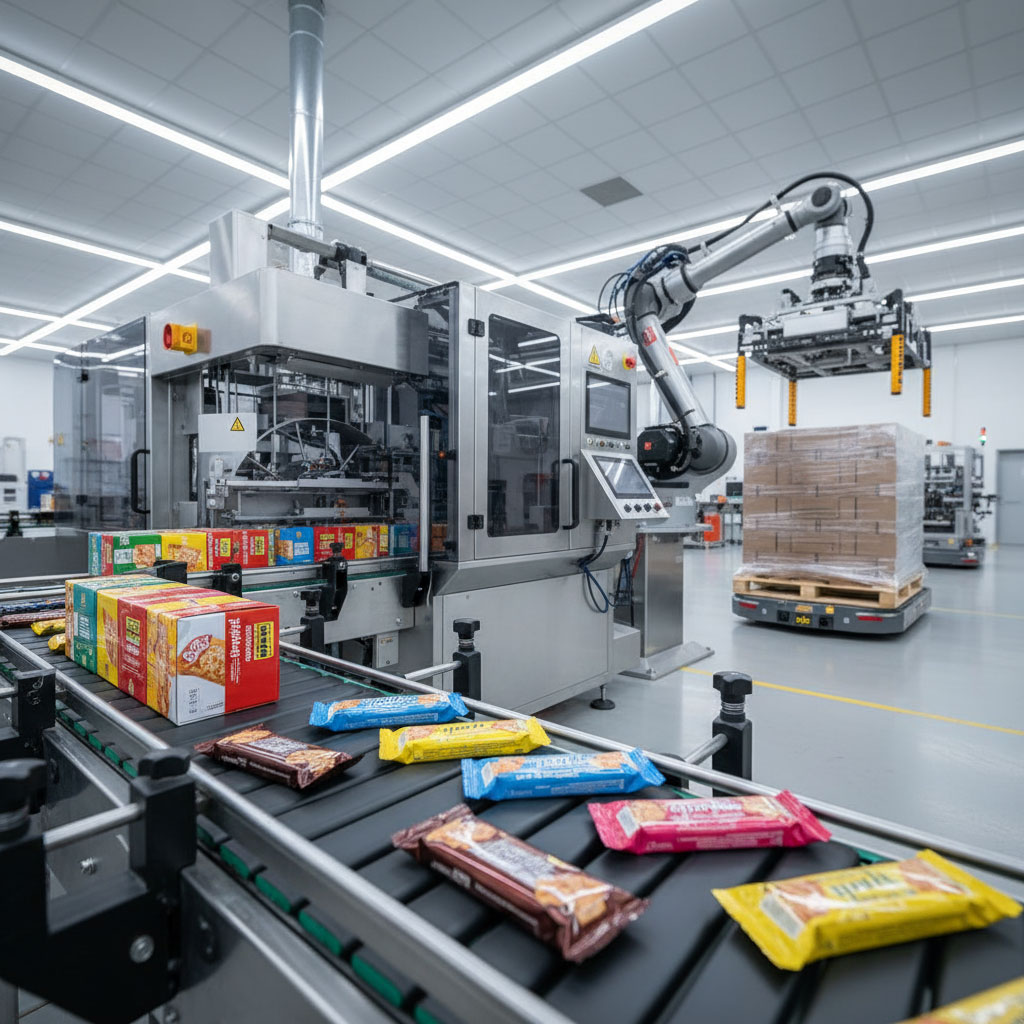
Cartoning Machine (Cartoner): From Individual Packs to Retail-Ready Cartons
Packaging Knowledge HubThis article is part of the Soontrue Packaging Knowledge Series under the "Packaging Machine Classification & Applications" section. For a broader view of packaging layers and machine types, see Packaging Machine Classification & Applications and Primary, Secondary & Tertiary Packaging Explained.Detail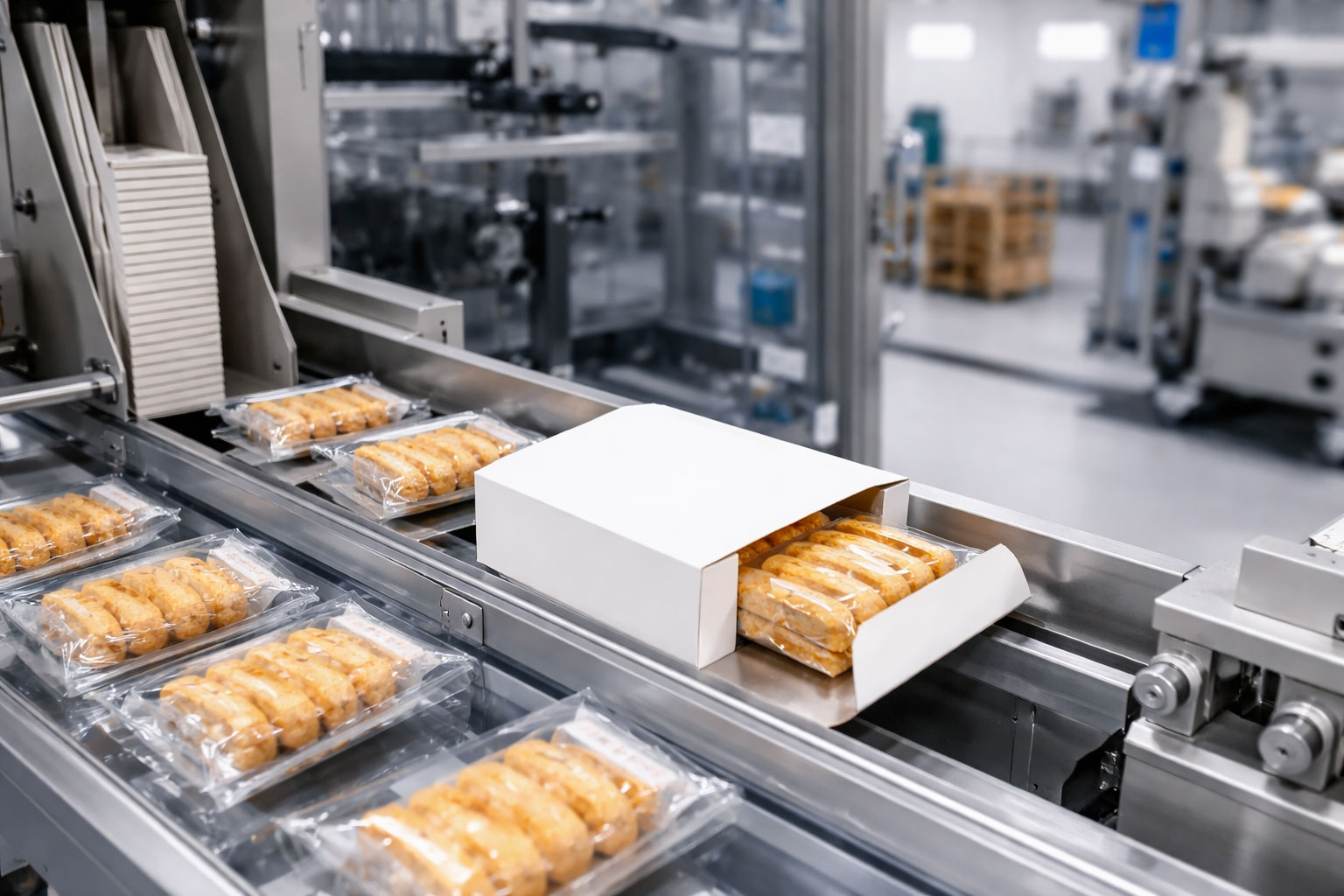
-
Carton Overwrapping & Box Wrapping Machines for Secondary Packaging
Packaging Knowledge HubThis article is part of the Soontrue Packaging Knowledge Series under the "Packaging Machine Classification & Applications" section. For a broader overview of packaging layers and machine types, see Packaging Machine Classification & Applications and Primary, Secondary & Tertiary Packaging Explained.Detail
-
Why Packaging Is Essential in Modern Manufacturing
Packaging Knowledge HubIn modern factories, packaging is no longer an afterthought or a simple "last step" before shipping. It has become a strategic function that connects production, quality, branding, logistics, regulations, and even sustainability goals. The importance of packaging in modern manufacturing can be seen everywhere: from the way products are protected during transport, to how they appear on the shelf, to how efficiently they move through automated warehouses and global supply chains.Detail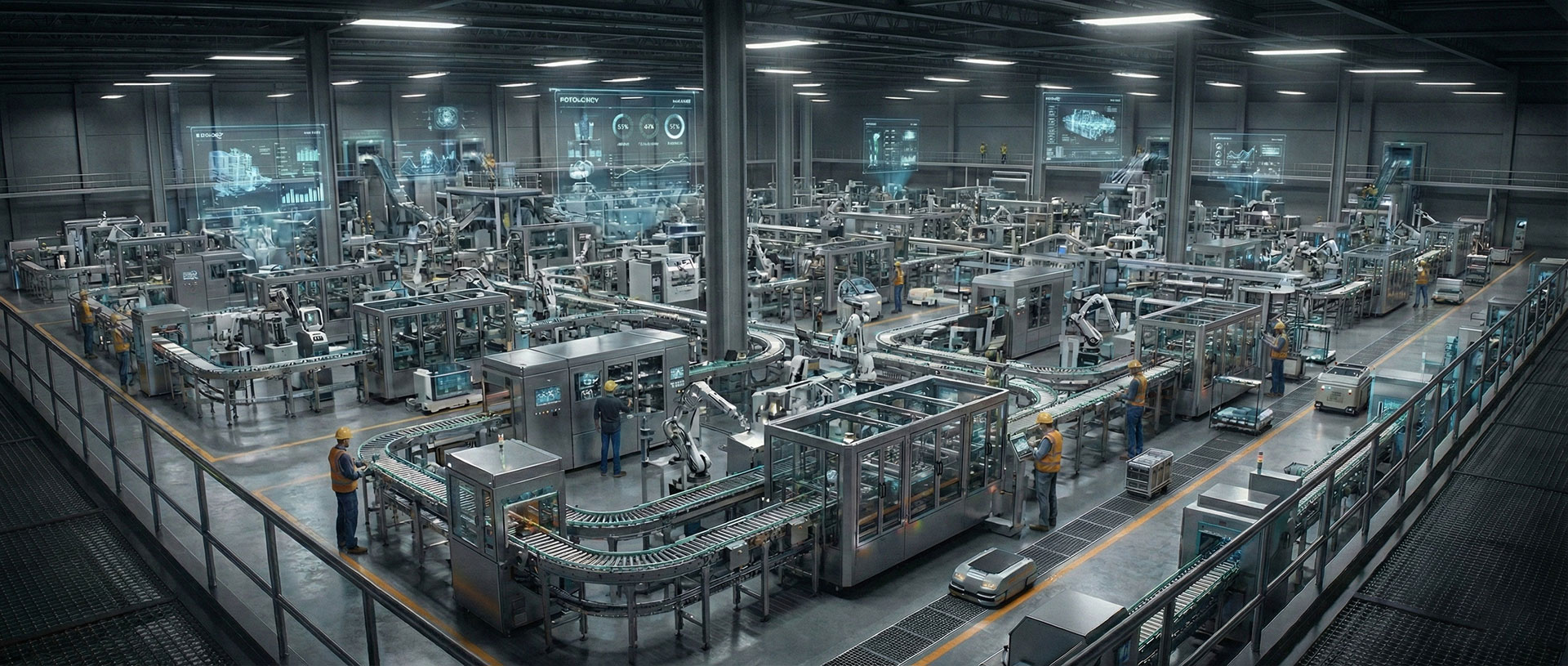
-
Hygiene Standards in Food & Pharmaceutical Packaging
Packaging Knowledge HubThis article is part of the Soontrue Packaging Knowledge Series.Detail
-
What are the types of bags for the VFFS machine?
VFFS Machine BlogVertical Form Fill Seal (VFFS) machines are widely used in packaging for products like snacks, powders, liquids, and granules. They form bags from a roll of flat film or pre-made tubing, fill them, and seal them in a continuous process. The types of bags compatible with VFFS machines depend on the machine's design, product type, and desired packaging style. The five primary VFFS bag types—Pillow Bags, Gusseted Bags, 3 Side Seal Bags,Block Bottom Bags, and Stick Packs—each offer unique advantages for specific food applications and market positioning strategies.Detail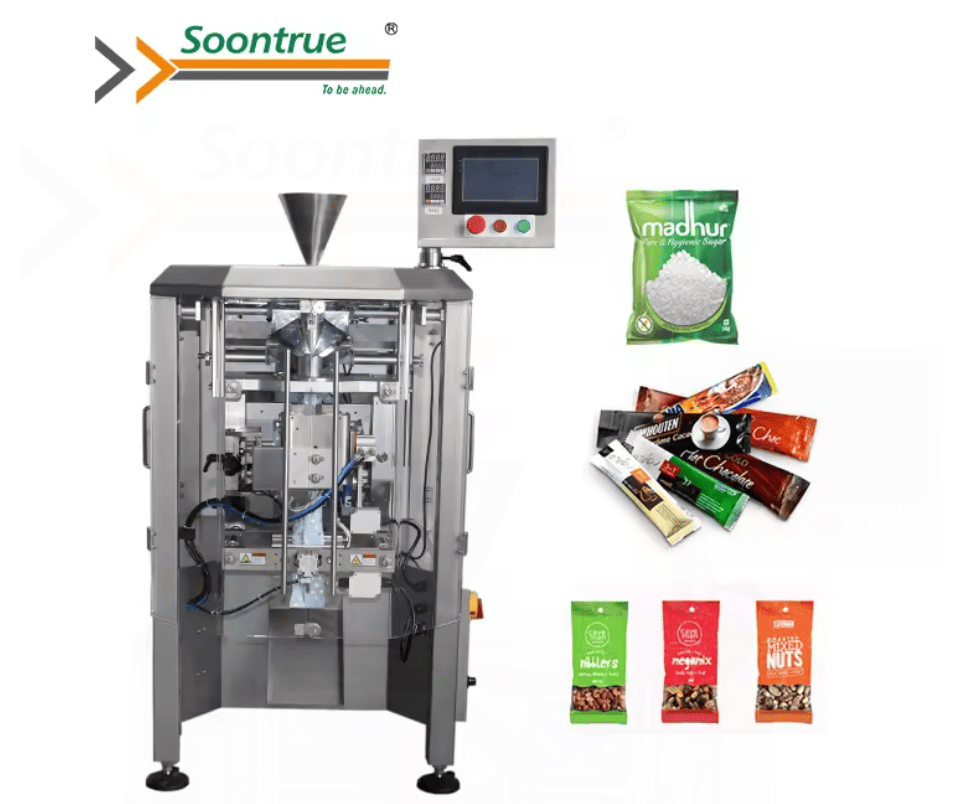
-
How to Maintain and Care for VFFS Machines
VFFS Machine BlogVertical Form Fill Seal (VFFS) machines are the backbone of modern food packaging operations, delivering consistent, efficient, and hygienic packaging solutions across diverse product lines. From granular to liquid product, these sophisticated systems ensure product integrity while maximizing operational efficiency. However, like any precision equipment, VFFS machines require systematic maintenance and care to maintain peak performance, minimize downtime, and extend operational lifespan.Detail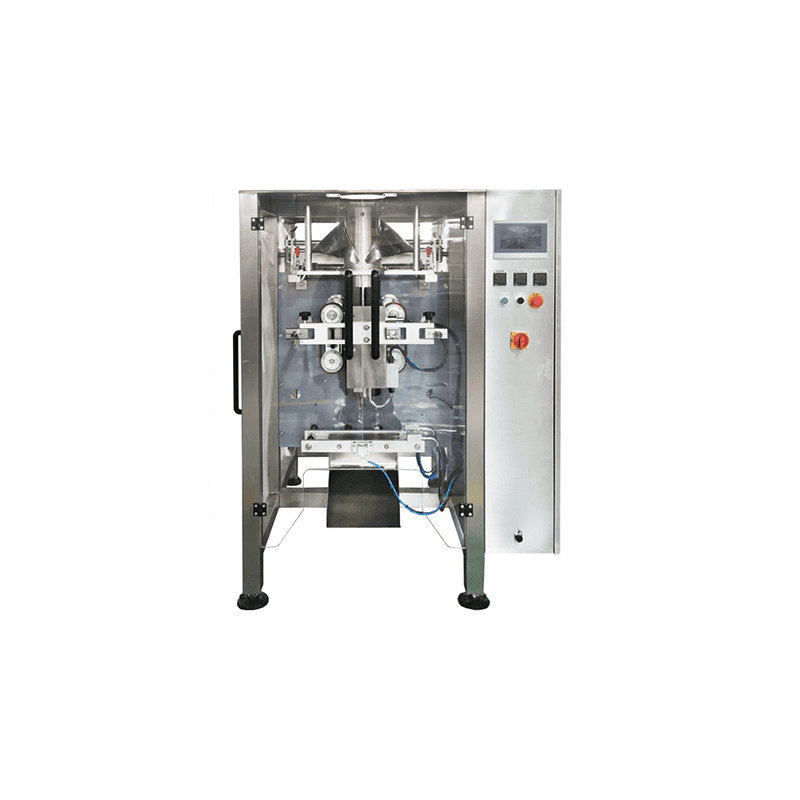
-
Top 10 Types of Packaging Materials for VFFS Machine
VFFS Machine BlogVFFS packaging machines rely on specialized packaging materials to enable seamless vertical forming, filling, and sealing in continuous operations. These materials are pivotal in the global food industry, influencing food safety, shelf life, production efficiency, and overall costs.Detail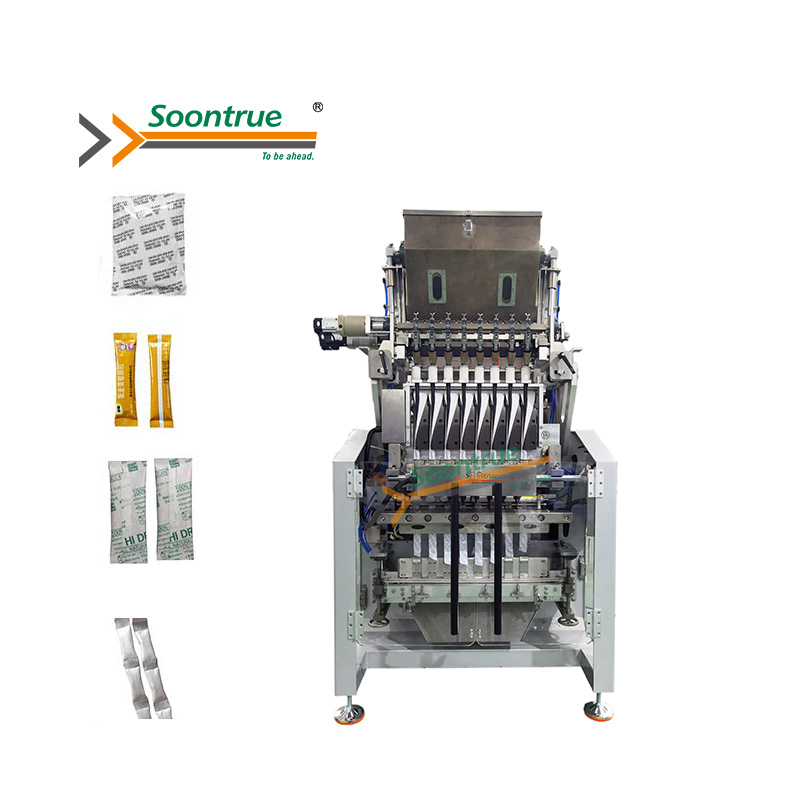
-
What Is Form-Fill-Seal (FFS)? A Beginner-Friendly Introduction to the Core Technology Behind Modern Packaging
Packaging Knowledge HubThis article is part of the Soontrue Packaging Knowledge Series.Detail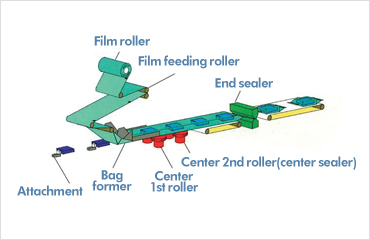
-
Primary, Secondary & Tertiary Packaging Explained: A Practical Beginner’s Guide
Packaging Knowledge HubIn modern manufacturing, packaging is not just "putting products into a box or bag". It is a layered system designed to protect products, ensure food safety, support logistics, and maintain brand image from the factory to the retail shelf. To describe this system, the industry uses three fundamental levels: primary packaging, secondary packaging, and tertiary packaging. These layers work together as a complete packaging system, each with its own functions, materials, and types of packaging machines. For anyone new to packaging automation, understanding these three levels is essential. It explains why there are so many different machines—flow wrappers, VFFS machines, cartoning machines, case packers, and palletizing robots—and why they are usually combined into one packaging line instead of being used separately. In simple terms, primary packaging directly protects the product, secondary packaging groups multiple products into convenient units, and tertiary packaging makes the entire load ready for transport and warehousing. But beyond this simple definition, each layer has very different design priorities, quality standards, and equipment.Detail