
Choosing a VFFS Machine for Powder Packaging
VFFS Machine Blog

If you're seeking packaging automation solutions, please contact us, and we'll be delighted to offer you the most tailored solution.
Powder products present unique packaging demands that extend beyond standard bagging requirements. Flow characteristics, bulk density, dust generation and moisture sensitivity all influence how material moves through a filling system, how consistently weights are achieved and how reliably seals form. Even when a machine reaches its stated speed, variations in powder behavior can still produce weight fluctuations, contaminated seal areas, product leakage or frequent stoppages for adjustment.
Selecting a suitable powder VFFS packaging machine requires joint evaluation of the powder itself, the dosing method, bag forming and sealing arrangements, and observed performance under real production conditions. The sections that follow examine these factors so manufacturers can judge whether a given configuration matches their product range and output targets.
Key Packaging Challenges
Powder packaging lines commonly encounter several recurring issues that affect both quality and overall equipment effectiveness.
Inconsistent fill weights. Changes in powder flow or in the condition of the feed stream can cause bag-to-bag weight variation. The result is either product giveaway or under-filled packs that fail internal specifications.
- Dust and seal contamination. Fine particles settle on the film or enter the sealing jaws during filling. Contaminated seals raise the risk of incomplete closure and later leakage.
- Leaking packs. When seal integrity is compromised, powder escapes during handling or storage. This creates product loss, messy secondary packaging and potential customer complaints.
- Unstable production output. Poor coordination among dosing, film advance and sealing cycles increases the need for manual intervention and shortens continuous run times. Addressing these points at the configuration stage helps keep daily output closer to the planned rate.
Essential Machine Configurations
Matching machine design to the powder and the target pack solves most of the challenges above. Three areas deserve particular attention.
Filling and Dosing System
Screw or auger fillers remain the preferred dosing method for most free-flowing and semi-free-flowing powders. The rotating auger meters product by volume while the closed tube limits airborne dust. Accuracy depends on bulk density consistency, the design of the agitator above the auger, and the precision of the drive system. Target bag weight also influences auger diameter and pitch selection. Running the actual powder on a trial machine provides a clearer picture than catalog accuracy figures alone. Systems such as the Soontrue auger filler packing machine are routinely configured with servo-driven augers so rotation count and speed can be adjusted for different densities and fill sizes.
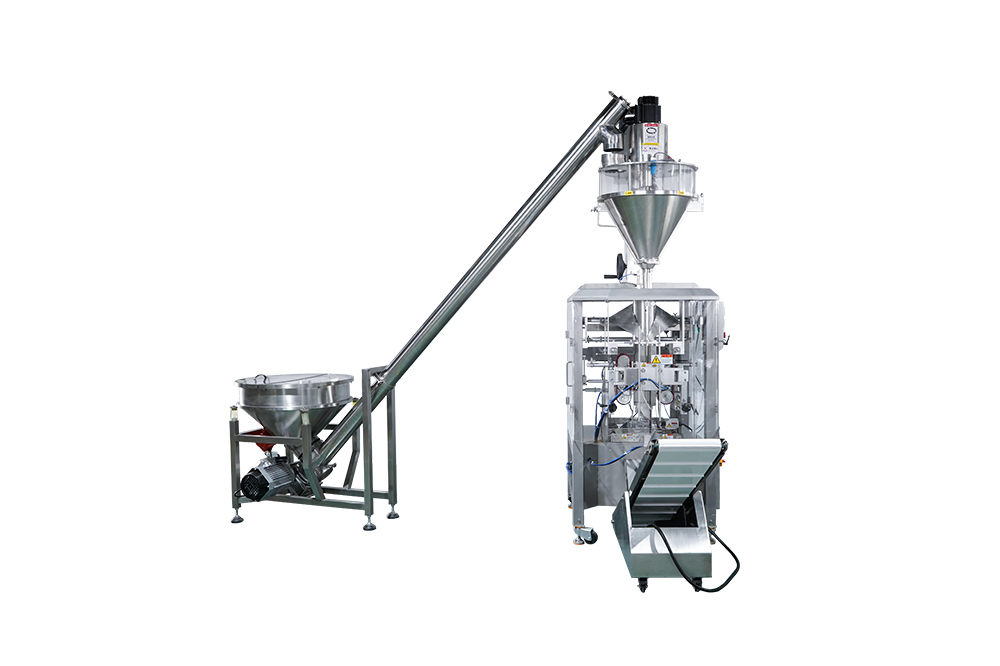
Figure 1. Soontrue auger filler packing machine configured for accurate powder dosing and reduced dust generation
Dust Control and Sealing
Successful powder packaging depends on the timing relationship among product drop, film advance and jaw closure. Residual powder that lands on the sealing surface interferes with heat transfer and film fusion. Effective configurations keep the fill point close to the seal area while allowing a short settling interval, and they incorporate dust extraction ports or enclosed filling chambers. Buyers benefit from observing whether powder residue appears on the film or jaws after a continuous run with the device. Seal quality is best verified by peel tests and leak checks. The servo-controlled vertical machines in the ZL200 series illustrate how precise motion control supports consistent seal formation when product characteristics vary.
Production Flexibility
Many powder plants handle several bag weights, film widths or product recipes on the same line. Quick change of forming tubes, sealing jaws and auger settings shortens changeover time and reduces the volume of scrap generated during trials. For multi-SKU operations the ease of cleaning becomes equally important, because residual powder from one product can affect the next. Machines designed with accessible contact parts and recipe memory help operators restore previous settings with minimal adjustment. Evaluating continuous-run stability across two or three representative products gives a more realistic view of day-to-day flexibility than single-product demonstrations.
Bag Format and Film Selection
Finished pack requirements also shape machine selection. Bag style is chosen according to target weight, bag dimensions, end-use handling and secondary packaging method. Pillow bags remain common for many powder applications, while gusseted or block-bottom formats improve shelf presentation and stacking stability for larger fills.
Film selection follows the barrier needs of the powder. Moisture-sensitive products often require laminated structures that include aluminum or high-barrier polymers. The chosen film must form a reliable seal under the temperature and dwell time available on the machine. Trial runs with the actual production film confirm both seal strength and the absence of powder migration into the seal area. Guidance on material options can be found in resources covering VFFS packaging films.
Pre-Purchase Performance Testing
Catalog specifications provide a useful starting point, yet they cannot fully predict behavior with a specific powder. Structured acceptance testing converts those specifications into measurable outcomes.
A practical checklist includes the following steps:
- Run trials with the actual production powder rather than a substitute.
- Record individual bag weights over a statistically meaningful sample at the target fill size.
- Inspect seals formed with the intended packaging film for completeness and powder intrusion.
- Document sustained output rate, stoppages and adjustment frequency during an extended continuous run.
- Confirm that changeover, cleaning and routine maintenance procedures fit the planned production schedule.
Agreement on these acceptance criteria before purchase reduces later disputes and ensures the delivered machine performs under the conditions that matter most to the factory.
Soontrue Powder Packaging Solutions
Soontrue has supplied vertical form-fill-seal systems for a wide range of powders, from fine food ingredients to detergent and chemical products. The following case and configuration notes illustrate how specific design choices address the challenges described earlier.
ZL200P Powder Packaging Case
One recent application involved a manufacturer experiencing dust generation and occasional seal inconsistency on an existing powder line. The solution centered on a ZL200P vertical packaging machine paired with a precision screw weigher. The closed auger path limited airborne particles, while coordinated servo motion kept the fill and seal sequence tightly synchronized. The resulting packs showed improved weight stability and cleaner seals.
A short video of a ZL200P powder packaging in operation
Configurations for Different Powder Products
Powder characteristics vary widely. Free-flowing materials such as certain coffee or detergent powders can run at higher speeds with standard auger settings. Stickier or more aerated powders often benefit from specialized agitators and slower fill rates. Bag size and required output influence the choice between the standard ZL200P and the higher-speed ZL200PH. Manufacturers seeking tailored advice can share powder type, target bag weight, preferred bag style and desired capacity. Soontrue engineering teams use this information to recommend a matched dosing system, forming set and sealing configuration. Additional examples appear on the company's powder packaging solution pages covering coffee, seasoning, detergent and related products.
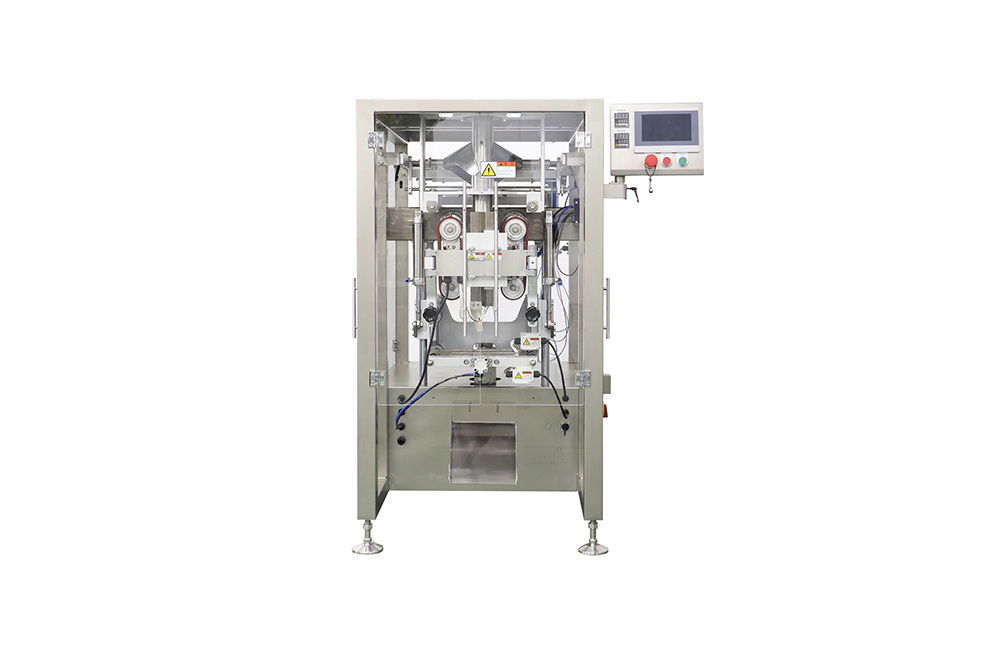
Soontrue ZL200PH high-speed vertical packaging machine for elevated powder output requirements
To explore suitable configurations or request a quotation, manufacturers are invited to contact the Soontrue team with powder samples or detailed product data through the official contact page.
Frequently Asked Questions
What is the best VFFS machine for powder packaging?
No single model suits every powder. The appropriate choice depends on flow properties, target weight range, bag format and required output. Machines equipped with servo-driven auger fillers and precise film control typically deliver the most consistent results for fine and medium powders.
Why does powder contaminate the sealing area?
During filling, airborne particles or residual product can settle on the film surface or inside the sealing jaws. Inadequate settling time or incomplete dust containment increases this risk. Proper fill-to-seal timing and enclosed dosing help keep the sealing zone clean.
How can filling accuracy be improved?
Selecting an auger system matched to the powder’s density and flow behavior is the first step. Stable upstream feeding, servo control of auger rotation and verification with the actual product during trials further tighten weight distribution.
Can one VFFS machine package different powders?
Many vertical machines handle multiple powders when the dosing range, film path and cleaning procedures are designed for changeover. Success depends on the similarity of bulk densities and the thoroughness of intermediate cleaning to avoid cross-contamination.
What details are needed for a powder packaging machine quote?
Useful information includes powder type and bulk density, target bag weight and size range, preferred bag style, film specification, desired bags per minute and any special hygiene or environmental requirements. Providing these details allows the supplier to propose a realistic configuration and delivery timeline.
Conclusion
Choosing a VFFS machine for powder packaging centers on understanding the product's behavior and verifying that the proposed dosing, sealing and changeover features address those behaviors under real running conditions. Weight stability, seal integrity and sustained output improve when the configuration is validated with the actual powder and film. Soontrue supports this process with modular vertical systems, application experience across food and non-food powders, and engineering assistance from trial through commissioning. Manufacturers ready to evaluate options can begin by sharing powder characteristics and production goals with the Soontrue team.