
Packaging Automation for Shrimp Processing
Packaging Knowledge Hub

If you're seeking packaging automation solutions, please contact us, and we'll be delighted to offer you the most tailored solution.
The shrimp processing industry is moving toward higher levels of automation as manufacturers face increasing demands for production efficiency, consistent quality, and reliable supply. For many shrimp processors, traditional preparation methods based on manual deheading and peeling can limit production capacity and create challenges in maintaining stable output.
Modern shrimp processing automation focuses on connecting each stage of production, from raw shrimp preparation to peeling, handling, and final packaging. By creating a more coordinated workflow, factories can improve processing consistency and build a production system that supports long-term growth.
Why Shrimp Processing Factories Are Moving Toward Automation
Shrimp processing involves multiple labor-intensive steps before products reach the packaging stage. As production volumes increase, many factories are looking for automation solutions that improve efficiency while maintaining product quality and processing accuracy.
Manual Deheading and Peeling Create Production Bottlenecks
Deheading and peeling are two critical stages in shrimp preparation. Traditional manual operations require a large workforce and depend heavily on operator experience, which can make production capacity difficult to scale.
For high-volume shrimp processors, automation provides a more stable approach by standardizing repetitive processing tasks. Automated equipment can help maintain consistent output, reduce labor pressure, and create a smoother workflow for downstream operations.
Consistent Shrimp Processing Supports Better Packaging Performance
Packaging efficiency depends greatly on the condition and consistency of processed shrimp. Variations in product size, preparation quality, or feeding stability can affect packaging speed and overall line performance.
An automated shrimp processing system creates a more predictable product flow before packaging begins. This allows packaging equipment to operate with greater stability while supporting consistent package quality across different production batches.
Standardized Processing Meets the Needs of Modern Shrimp Products
The market for frozen shrimp, peeled shrimp, and ready-to-cook products continues to require higher standards for hygiene, consistency, and production control. Automated processing solutions help manufacturers establish more standardized operations with better control over key production steps.
Understanding the Automated Shrimp Processing Workflow
A complete shrimp processing workflow connects multiple production stages to create a continuous and efficient operation. Instead of treating each machine as an independent unit, modern processing facilities focus on improving the connection between preparation, processing, and packaging.
A typical automated shrimp processing workflow includes several key stages:
Raw shrimp preparation
↓
↓
Shrimp peeling and deveining
↓
Product transfer and handling
↓
Packaging and end-of-line automation
Each stage plays an important role in maintaining product consistency. The level of automation can be customized based on production capacity, product type, and factory requirements. Some manufacturers may start with individual processing machines, while larger facilities often prefer integrated production lines that connect multiple operations together.
This approach allows shrimp processors to build flexible production systems that can adapt to changing market demands and different product formats.
Automatic Shrimp Deheading Processing Line: The First Step of Large-Scale Automation
Before peeling and packaging, shrimp preparation plays a key role in determining the efficiency of the entire production process. For large-scale shrimp processors, automatic deheading systems provide a more stable solution compared with labor-intensive manual operations.
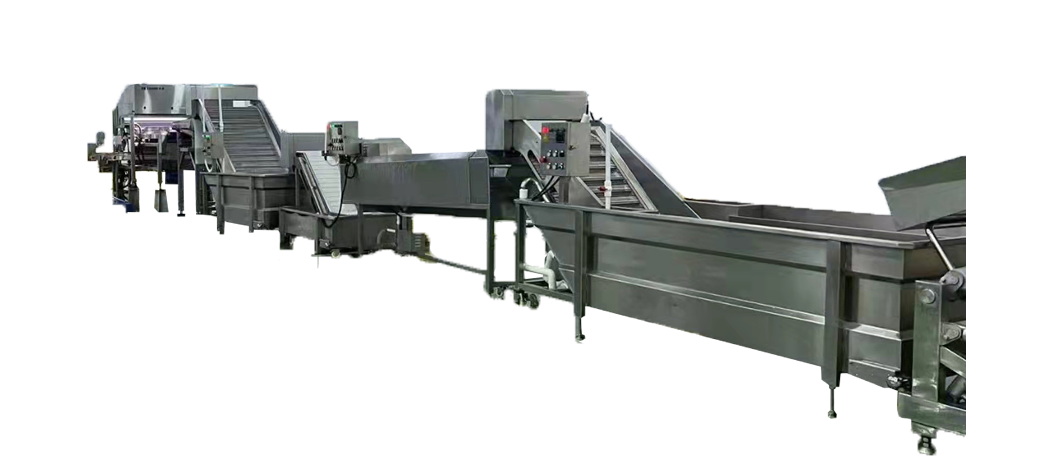
Automating Shrimp Preparation Before Peeling
The Automatic Shrimp Deheading Processing Line is designed to improve the efficiency of shrimp preparation by automating important handling steps before peeling.
The system helps streamline processes such as shrimp feeding, positioning, and deheading, creating a continuous workflow for further processing. By reducing manual involvement in repetitive operations, manufacturers can achieve more consistent processing results while improving production efficiency.
A stable deheading process also creates better conditions for subsequent peeling operations, allowing the entire shrimp processing line to maintain smoother product flow.
Improving Processing Consistency and Production Stability
Deheading accuracy directly influences shrimp yield and downstream processing performance. Automated systems help standardize the preparation process, reducing variations caused by manual handling.
For factories producing peeled shrimp, frozen shrimp, or value-added shrimp products, consistent preparation quality helps improve the reliability of the entire production line. This is especially important for manufacturers supplying large retail, foodservice, or export markets where product consistency is a key requirement.
Integrating Deheading with Complete Shrimp Processing Lines
A modern shrimp production system often combines deheading equipment with peeling machines and packaging solutions. This creates a connected workflow from raw material handling to finished products.
By integrating different processing stages, manufacturers can improve production coordination and establish a more efficient automation system that supports future expansion.
Shrimp Peeling Machine: Producing Consistent Value-Added Shrimp Products
After deheading, peeling is another critical stage that directly affects product quality and processing efficiency. An automatic shrimp peeling machine helps manufacturers produce processed shrimp products with greater consistency while reducing dependence on manual operations.
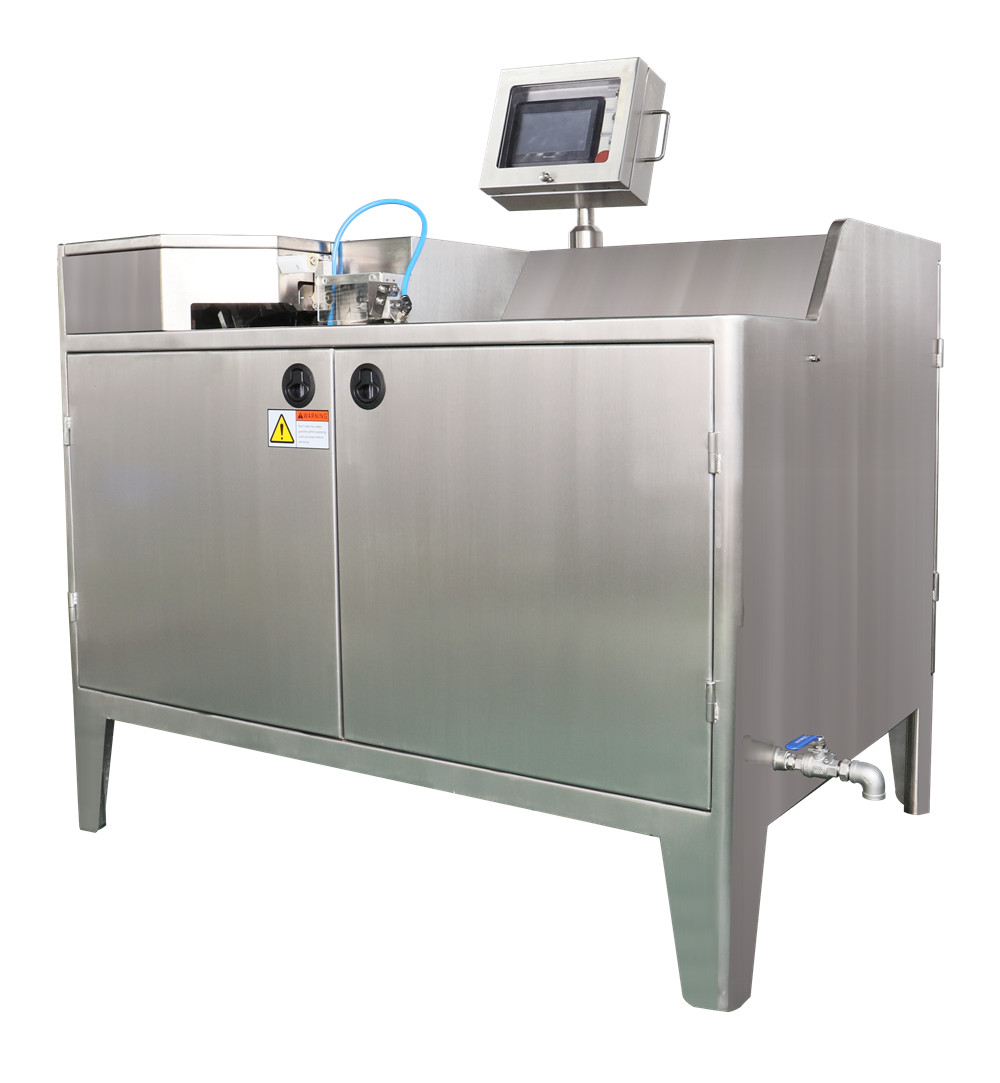
Automating Shrimp Peeling and Deveining Operations
Manual peeling requires significant labor input and can result in differences in processing quality between operators. An automatic shrimp peeling machine provides a more standardized approach by improving peeling efficiency and maintaining consistent processing results.
For shrimp processors handling large production volumes, automated peeling equipment helps reduce repetitive manual work and supports stable output throughout the production cycle.
The machine can be applied to different shrimp processing requirements, including peeled shrimp production and other value-added shrimp products that require precise preparation.
Flexible Processing for Different Shrimp Applications
Different markets require different shrimp formats, including tail-on shrimp, tail-off shrimp, peeled shrimp, and other customized product styles. Processing flexibility is an important factor when selecting shrimp peeling equipment.
A suitable shrimp peeling solution allows manufacturers to adjust processing methods based on product requirements, helping them serve different market segments such as retail products, foodservice applications, and export-oriented shrimp production.
Connecting Shrimp Peeling with Downstream Packaging
The value of a shrimp peeling machine extends beyond the peeling process itself. Consistent product preparation creates a more reliable input for automated packaging systems.
Uniform shrimp quality helps improve feeding stability, reduce interruptions, and support more efficient packaging operations. By connecting peeling equipment with packaging lines, manufacturers can achieve a smoother transition from processing to finished product preparation.
Completing the Workflow with Automated Shrimp Packing Lines
After shrimp preparation and peeling, packaging becomes the final stage that determines product presentation, production speed, and market readiness. An automated shrimp packing line connects processed products with efficient packaging operations.
Automated Feeding and Product Transfer
A stable transfer system is essential for maintaining continuous production between processing equipment and packaging machines.
Automated feeding solutions help deliver shrimp products to packaging equipment in a consistent manner, reducing manual handling and improving overall line coordination. This creates a smoother production flow and supports higher efficiency for large-scale operations.
Flow Wrapping Solutions for Shrimp Products
Flow wrapping technology is widely used for packaged food products that require efficient and reliable primary packaging. For shrimp applications, flow wrapping solutions can support products such as frozen shrimp packs, retail portions, and ready-to-cook shrimp products.
An automated flow wrapping system provides advantages including consistent sealing, flexible package formats, and high-speed operation. When integrated with upstream shrimp processing equipment, it helps manufacturers create a complete production workflow from preparation to final packaging.
End-of-Line Automation for Large Shrimp Factories
For manufacturers with higher production requirements, automation can extend beyond primary packaging. Secondary packaging and end-of-line solutions such as carton packing, case packing, and palletizing help complete the production process.
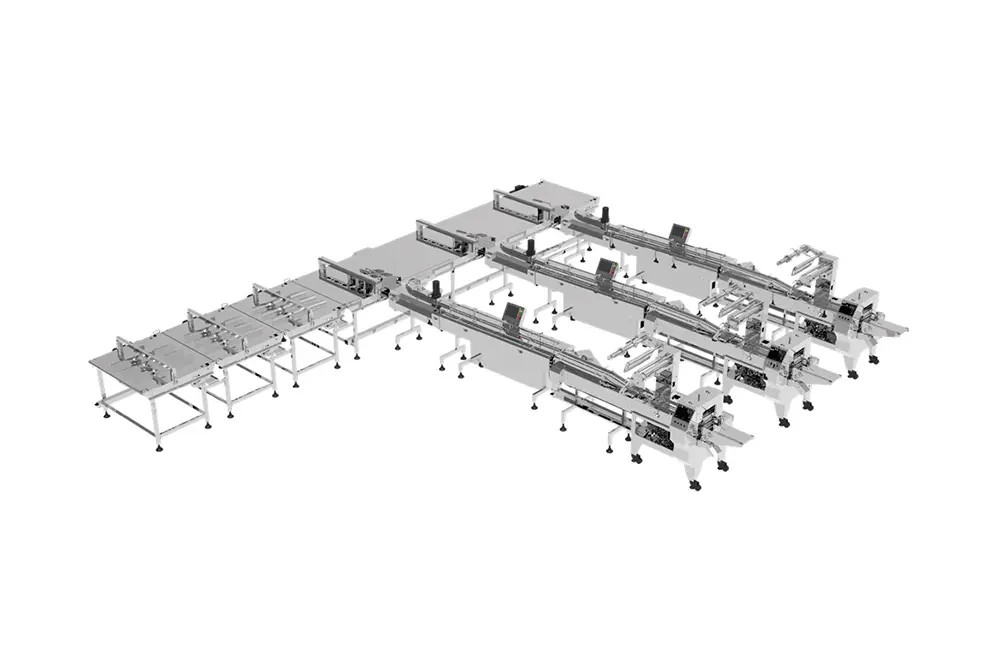
Soontrue Automatic Packaging Line With Deoxidizer for processed shrimp packaging
A complete automation system allows shrimp factories to improve handling efficiency and create a more organized production environment.
How Shrimp Processing Automation Improves Factory Performance
Automation brings value across the entire shrimp production workflow by improving efficiency, consistency, and production scalability.
Reducing Labor Dependency
Automated deheading, peeling, and packaging equipment reduces reliance on repetitive manual operations. This helps manufacturers manage labor challenges while maintaining stable production capacity.
Improving Product Consistency and Quality
Standardized processing steps help maintain consistent product quality throughout production. From shrimp preparation to final packaging, automation supports better control over processing conditions and product appearance.
Supporting Long-Term Production Growth
As shrimp businesses expand, production requirements often increase in volume and complexity. A well-designed automation system provides the flexibility needed to support new products, higher output targets, and changing market demands.
Why Choose Soontrue for Shrimp Processing Automation
Soontrue provides integrated automation solutions that connect shrimp processing and packaging operations into a complete production workflow.
The solution range includes automatic shrimp deheading processing lines, shrimp peeling machines, and packaging equipment designed to support different production requirements. By combining processing technology with packaging expertise, Soontrue helps manufacturers develop customized solutions based on product type, factory layout, and production goals.
Integrated Solutions from Processing to Packaging
A complete shrimp automation system requires coordination between different stages. Soontrue focuses on improving the connection between shrimp preparation, peeling, and packaging to help factories achieve more efficient production.
This integrated approach supports applications including frozen shrimp, peeled shrimp, ready-to-cook products, and other processed shrimp categories.
Customized Automation Solutions for Different Production Needs
Every shrimp processing facility has different requirements in terms of capacity, product specifications, and packaging formats. Customized automation solutions allow manufacturers to select suitable equipment combinations and create production lines that match their operational goals.
From individual machines to complete processing and packing solutions, Soontrue supports shrimp processors in building more efficient production systems.
Conclusion
Shrimp processing automation is becoming an important approach for manufacturers seeking higher efficiency and more consistent production. By connecting deheading, peeling, and packaging operations, factories can create a smoother workflow that supports both current production needs and future growth.
With solutions covering automatic shrimp deheading processing lines, shrimp peeling machines, and packaging automation, Soontrue helps shrimp processors develop integrated production systems designed for modern manufacturing requirements.
FAQ
1. What is shrimp processing automation?
Shrimp processing automation refers to the use of automated equipment to improve different stages of shrimp production, including deheading, peeling, handling, and packaging.
2. What equipment is needed for an automatic shrimp processing line?
A complete shrimp processing line may include deheading equipment, peeling machines, transfer systems, packaging machines, and end-of-line automation depending on production requirements.
3. What is the difference between a shrimp deheading machine and a shrimp peeling machine?
A shrimp deheading machine focuses on removing shrimp heads during initial preparation, while a shrimp peeling machine is designed to remove shells and prepare shrimp for value-added products.
4. Can shrimp peeling machines connect with packaging lines?
Yes. When shrimp products are processed with consistent quality, peeling machines can be integrated with feeding systems and packaging equipment to create a continuous production workflow.
5. What are the benefits of automating shrimp processing?
Automation helps improve production efficiency, reduce labor dependency, maintain consistent product quality, and support larger production volumes.
6. How can shrimp factories choose the right automation solution?
The suitable solution depends on factors such as product type, production capacity, processing requirements, factory layout, and desired level of automation. A customized approach helps manufacturers build a system that fits their operational needs.