-
How to Design an Automatic Packing Line Based on Product Characteristics
Packaging Knowledge HubSelecting packaging equipment without a clear picture of the product itself remains one of the most common sources of inefficiency on the factory floor. Many production teams begin the process by reviewing machine catalogs, speed ratings, and supplier quotations. The result is often a line that runs below its rated capacity, requires frequent adjustments, or forces costly modifications after installation.Detail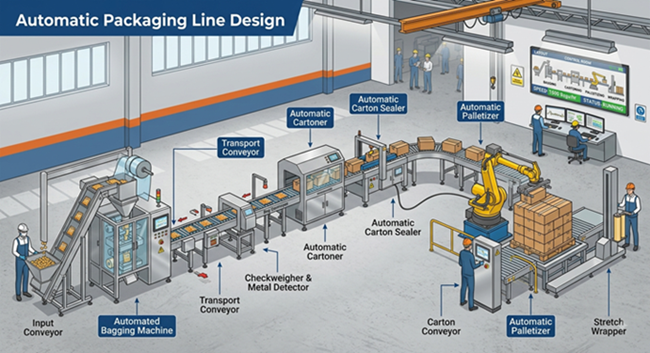
-
Complete Line vs Individual Machines – How to Choose the Right Packaging Solution
Packaging Knowledge HubMany food manufacturers begin their packaging journey with standalone machines. A flow wrapper here, a vertical form-fill-seal unit there, and a simple case sealer completing the picture. This approach works well during early growth stages. As daily output climbs and product ranges expand, the same setup starts to reveal its limits. Throughput becomes uneven, operators move constantly between stations, and small process gaps turn into daily production headaches.Detail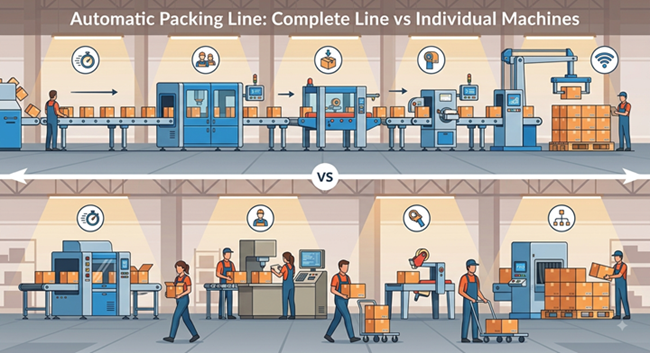
-
Next-Gen Food Packaging Lines: Balancing High-Speed Automation, Sustainable Material Saving, and Hygiene Compliance
Packaging Knowledge HubFood processing plants face rising pressure to deliver higher throughput while meeting stricter hygiene rules and sustainability targets. Primary packaging, secondary cartoning or case packing, and tertiary palletizing can no longer operate as isolated stations. When these stages remain disconnected, speed mismatches create accumulation, product damage increases, and labor costs climb. Fully integrated packaging lines close those gaps by synchronizing every transfer from infeed to finished pallet.Detail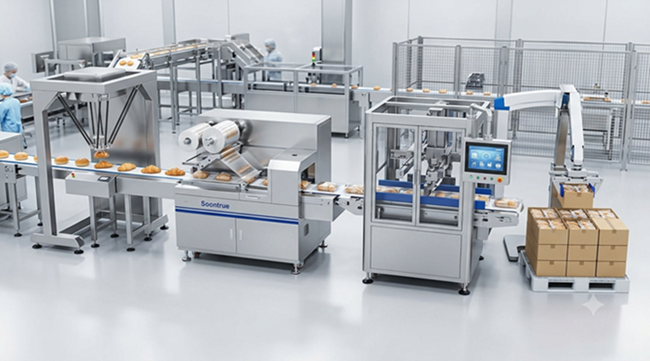
-
How to Eliminate Bottlenecks Between High-Speed Production and Secondary Packaging
Packaging Knowledge HubHigh-speed processing equipment such as ovens, extruders, and depositors frequently reaches peak efficiency on the factory floor. The real challenge appears the moment those products leave the processing zone and move toward secondary packaging. Output begins to accumulate, conveyors slow, and operators scramble to keep pace. The result is a classic production bottleneck that quietly erodes throughput, raises waste, and places unnecessary strain on both equipment and people. In many facilities this imbalance remains hidden until overtime hours climb or customer orders start slipping.Detail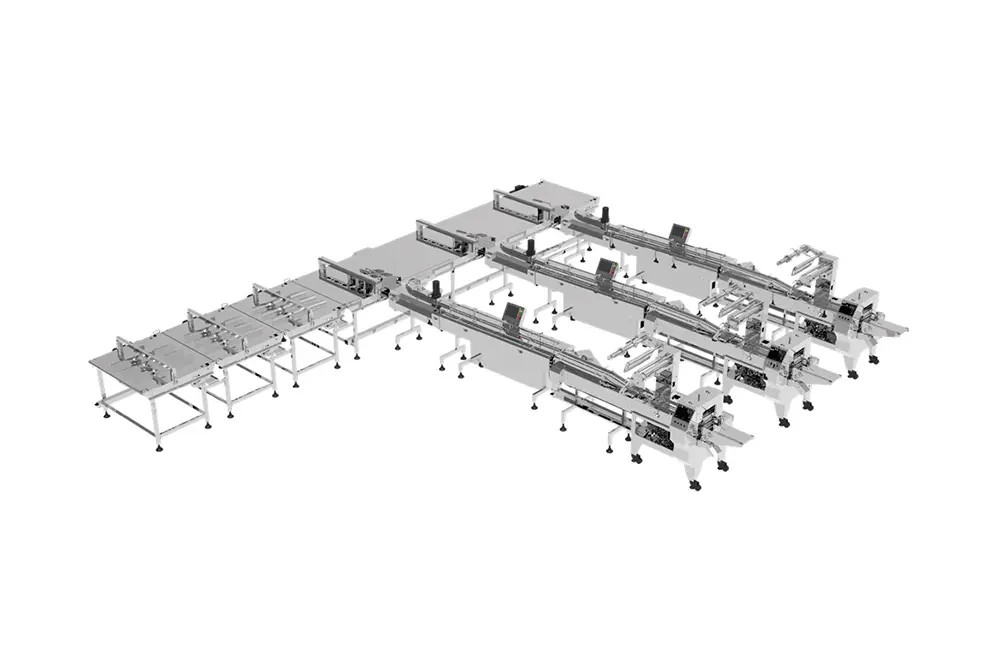
-
Solving Frozen Food Packaging Challenges: How Custom Automation Unlocks High Throughput and Scalability
Packaging Knowledge HubGlobal demand for ready meals, frozen proteins, and individually quick-frozen (IQF) products continues to climb. Consumers expect consistent quality, longer shelf life, and attractive retail presentation. Meeting those expectations places heavy pressure on packaging lines that operate in sub-zero or high-moisture environments. Manual or semi-automated processes struggle under these conditions. Frost accumulates on film paths, seals fail when temperatures swing, and operators wearing heavy protective gear lose the dexterity needed for precise work.Detail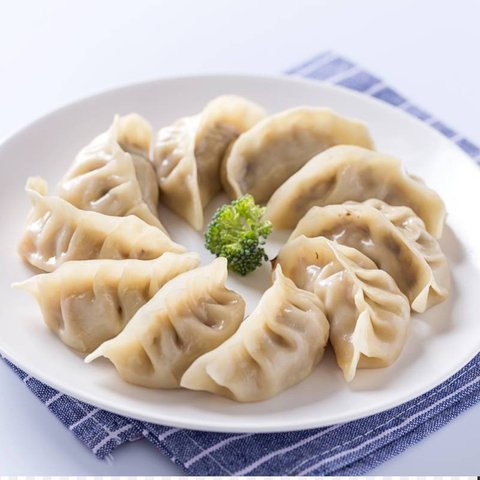
-
How to Select an Automatic Packing Line for Snack Foods
Packaging Knowledge HubSnack manufacturers face a quiet but persistent drain on margins every day. Broken chips, overweight bags that give away free product, unexpected stoppages, and the steady cost of extra hands on the line all add up. These issues rarely appear on a single report, and they steadily reduce the return on every batch that leaves the fryer or extruder.Detail
-
When Is the Right Time to Upgrade Your Packaging Production Line?
Packaging Knowledge HubMany manufacturers pour resources into faster production equipment only to discover that finished goods still sit waiting for shipment. Orders pile up, delivery windows tighten, and overtime becomes routine. In a surprising number of plants the real constraint has shifted downstream: packaging can no longer keep pace with upstream output.Detail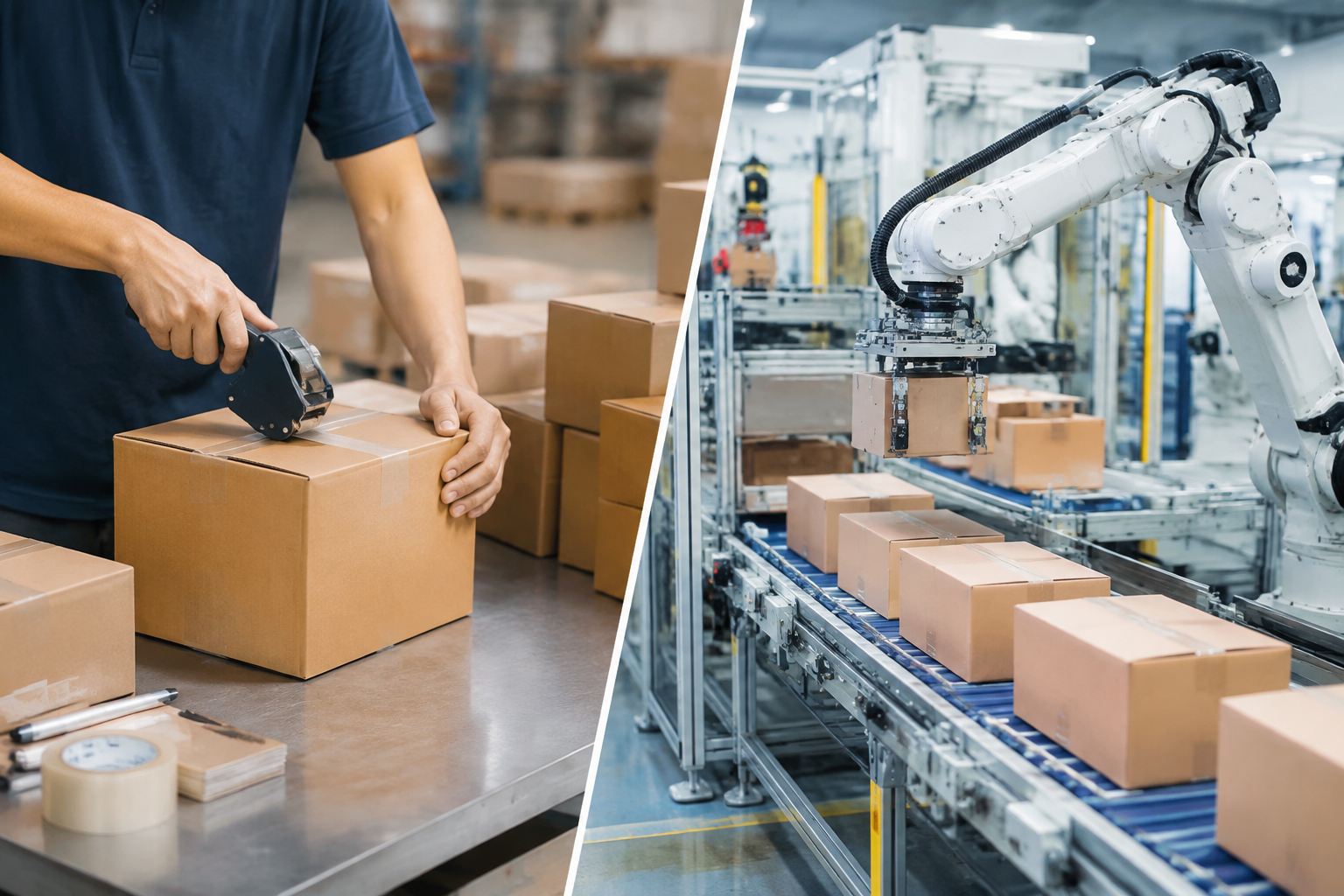
-
How to Choose the Right Automatic Packing Line for Your Food Factory
Packaging Knowledge HubFood manufacturers operate under constant pressure. Labor shortages continue to tighten the available workforce, hourly wages climb year after year, and food safety audits grow stricter with every inspection cycle. At the same time, retail buyers demand faster SKU changes and more flexible pack formats. These forces push plants toward automation, yet many decision-makers still start the equipment search by asking only one question: how many packs per minute can the line deliver?Detail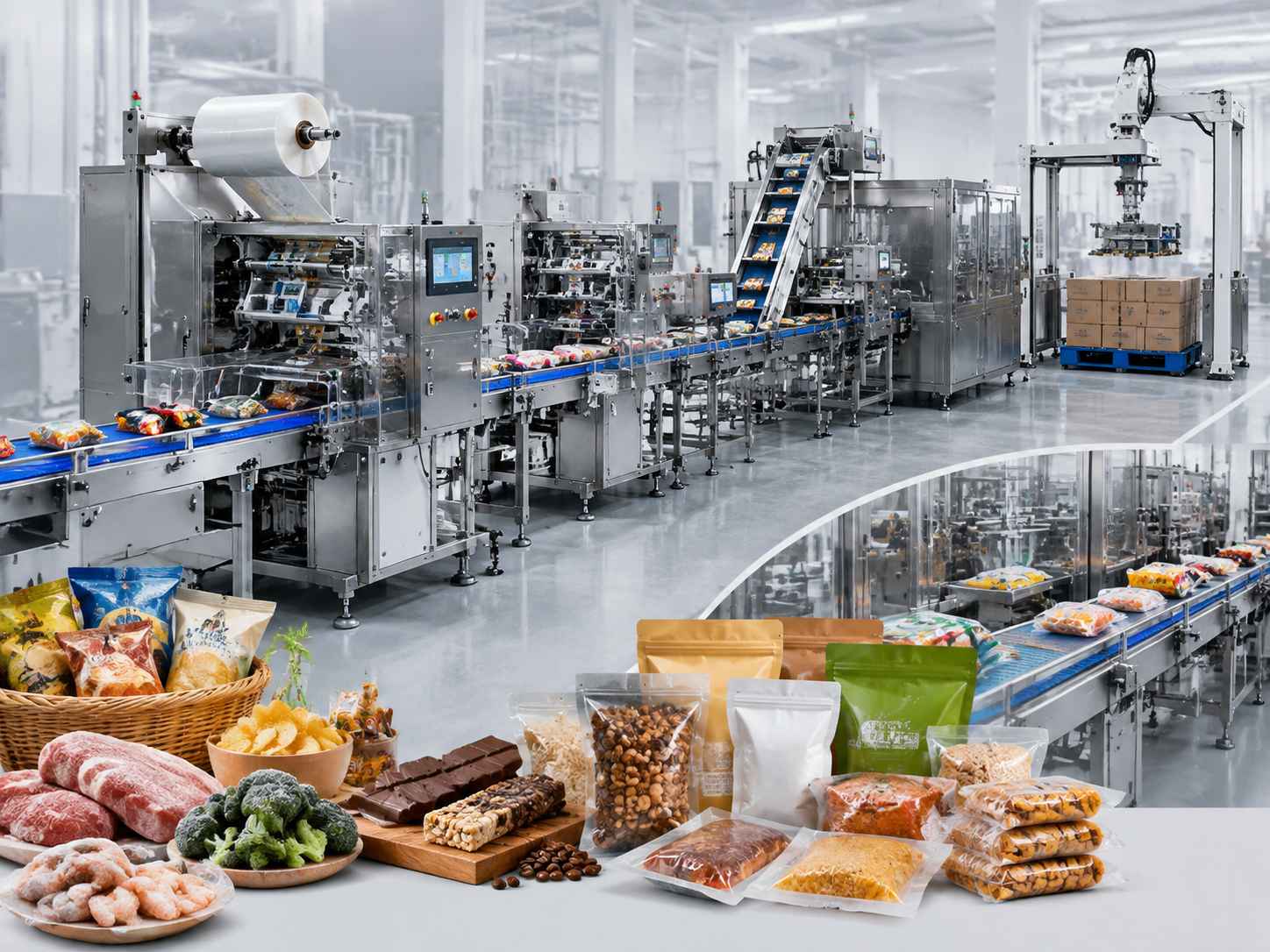
-
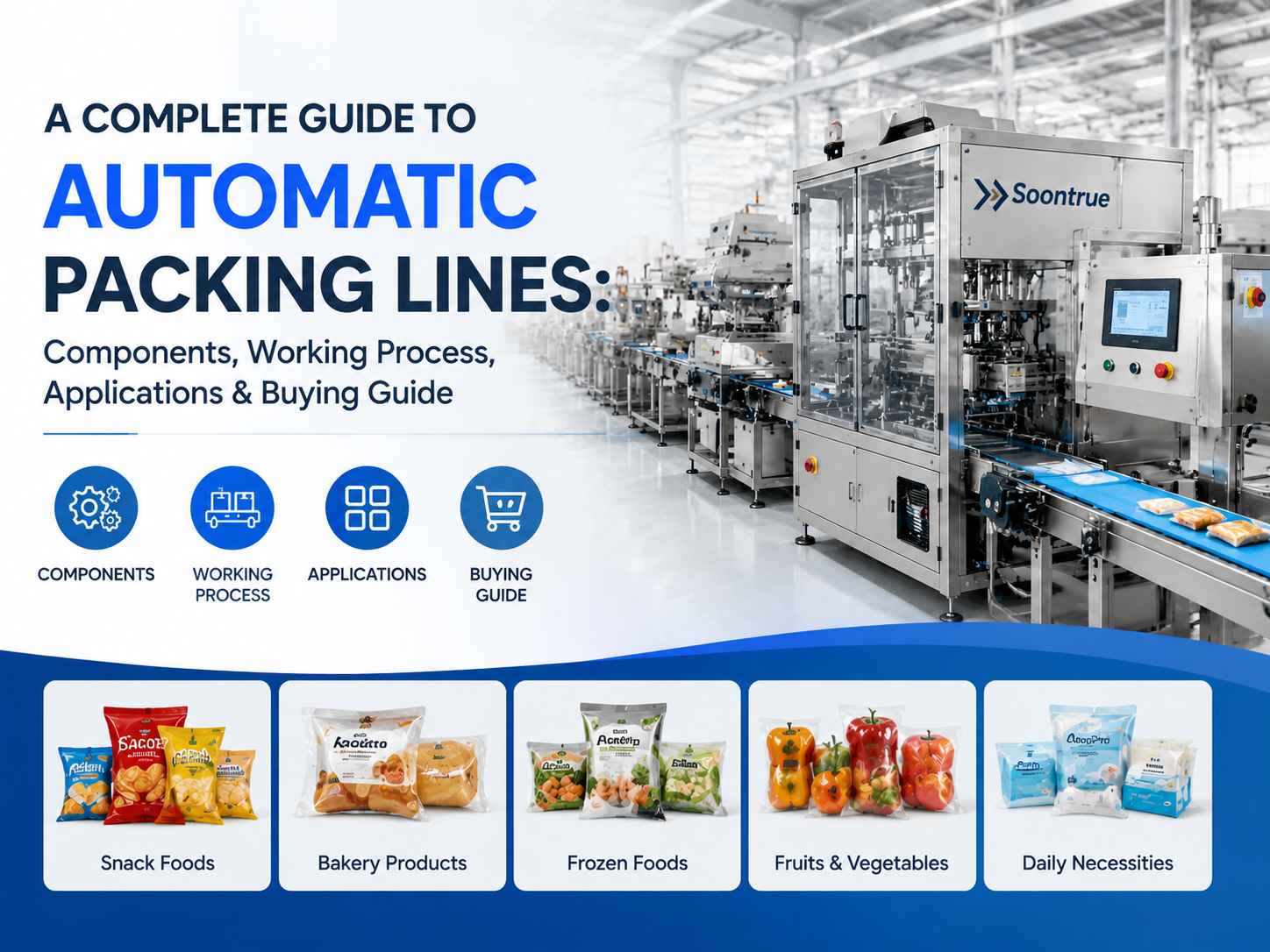
A Complete Guide to Automatic Packing Lines: Components, Working Process, Applications & Buying Guide
Packaging Knowledge HubModern food and consumer-goods factories face a clear set of pressures: fewer skilled operators available on the floor, rising hourly labor rates, tighter food-safety audits, and a constant need to launch new SKUs without slowing the main line. An automatic packing line addresses these pressures by linking primary packaging, secondary packaging, inspection and end-of-line handling into one continuous, recipe-driven process.Detail