
Working Principle of VFFS Machines: A Comprehensive Guide
Packaging Knowledge Hub

If you're seeking packaging automation solutions, please contact us, and we'll be delighted to offer you the most tailored solution.
Vertical Form Fill Seal (VFFS) machines are a vital part of modern packaging lines, used for a wide variety of products such as snacks, powders, granules, frozen foods, coffee, and more. If you are evaluating this type of equipment, you may be asking, How does a VFFS machine work?”
In short, a VFFS machine transforms flat rollstock film into finished bags, fills them with product, seals them, and cuts them into individual packages. Although the process sounds straightforward, understanding the way each step is controlled is crucial for improving packaging speed, seal quality, material waste reduction, and production uptime.
In this article, we’ll explore the working principle of VFFS machines, how they function, and how understanding this process helps manufacturers select the right equipment, troubleshoot packaging issues, and optimize production.
What Is a VFFS Machine?
A VFFS machine is an automated packaging system that forms bags from a flat roll of film rather than using pre-made pouches. The machine performs three core actions in one continuous process:
- Forms the bag
- Fills the bag with product
- Seals the bag
Since the film moves vertically through the machine during operation, it is known as a Vertical Form Fill Seal machine.
VFFS machines are popular due to their compact design, efficient production capabilities, flexible bag formats, and lower packaging material costs, making them ideal for various industries.
Main Components of a VFFS Machine
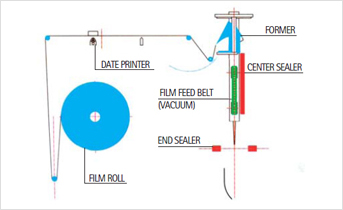
To understand how a VFFS machine works, it is essential to know its key components:
- Film unwind system
- Guide rollers and tension control
- Forming collar or forming shoulder
- Forming tube
- Vertical sealing system
- Horizontal sealing jaws
- Cutting device
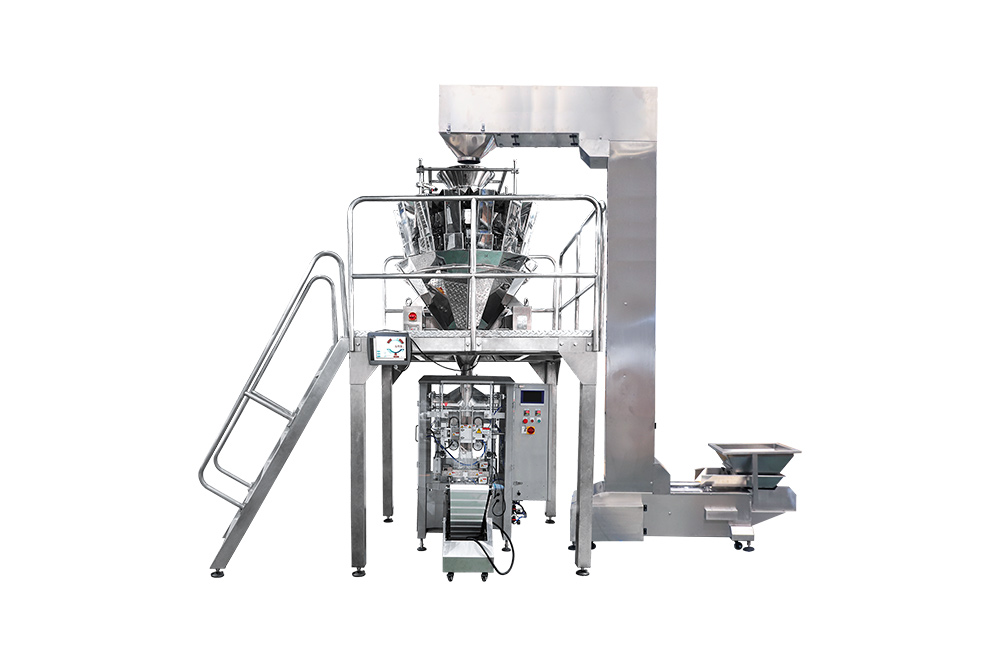
- Filling system (e.g., auger filler, multihead weigher, volumetric cup filler, or pump)
- Sensors, controls, and touchscreen interface
Each part of the VFFS machine plays a crucial role in maintaining smooth production. Any malfunction can lead to poor seals, film misalignment, inaccurate filling, or unnecessary downtime.
Step-by-Step Working Principle of VFFS Machines
1. Film Unwinding and Feeding
The packaging process begins with a roll of film mounted on the machine. The film is pulled from the roll and guided through rollers that help maintain the proper tension and alignment.
This stage is critical because unstable film tracking can cause issues like wrinkles, off-center bags, printing registration errors, and sealing defects.
2. Forming the Film into a Tube
Once the film is in position, it passes over a forming collar or shoulder. This component wraps the film around a forming tube, creating a cylindrical shape, which is the basis of the bag.
At this stage, the machine has transformed flat film into a tubular structure. The quality of the forming step impacts the bag's appearance, alignment, and sealing performance.
3. Vertical Sealing
After the film wraps around the forming tube, the edges overlap and are joined together to create a vertical seal. This seals the back seam of the bag, turning the film into a sealed tube.
The strength of the vertical seal is influenced by factors such as film type, sealing temperature, pressure, and alignment. Poor control can lead to leakage, weak seals, or wasted material.
4. Bottom Sealing
Next, the horizontal sealing jaws close across the tube to create the bottom seal of the bag. This step seals the lower edge of the package, preparing it to hold the product.
In most VFFS machines, the horizontal sealing action is synchronized carefully with the film movement and product timing, ensuring that sealing occurs in the right spot.
5. Product Filling
Once the bottom seal is formed, the product is dispensed into the bag through the forming tube.
The filling system varies depending on the product being packaged:
- Multihead weighers for snacks and irregular solids
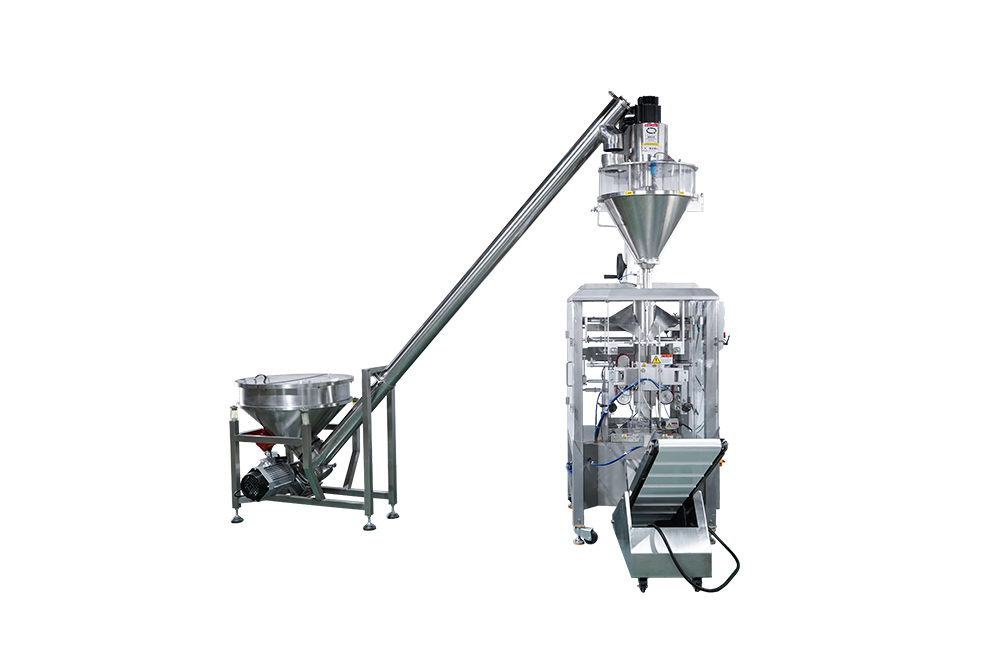
- Auger fillers for powders
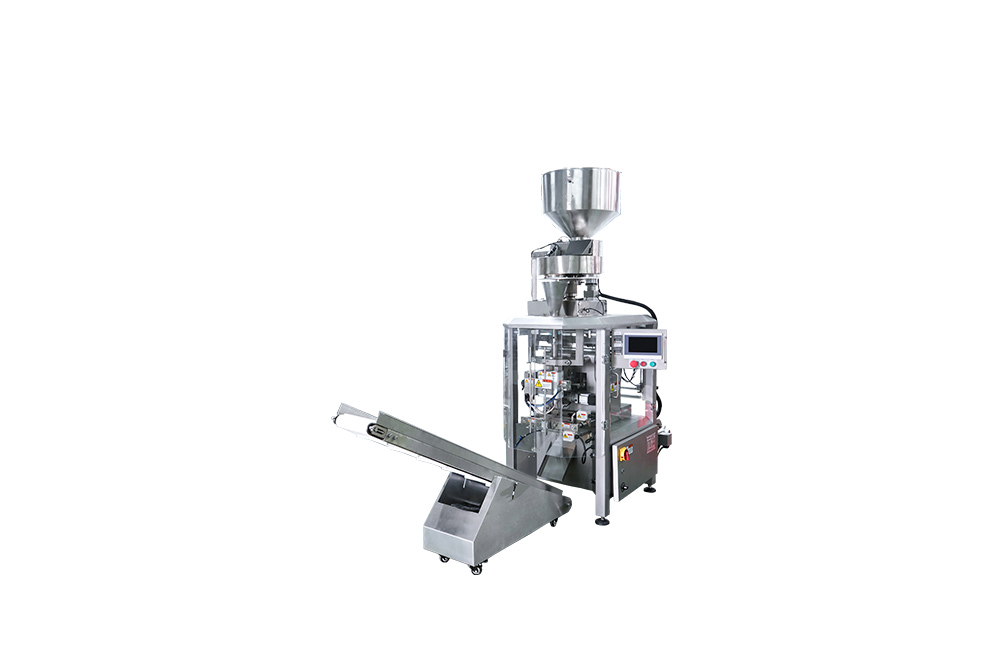
- Volumetric cup fillers for granules
- Pump fillers for liquids and sauces
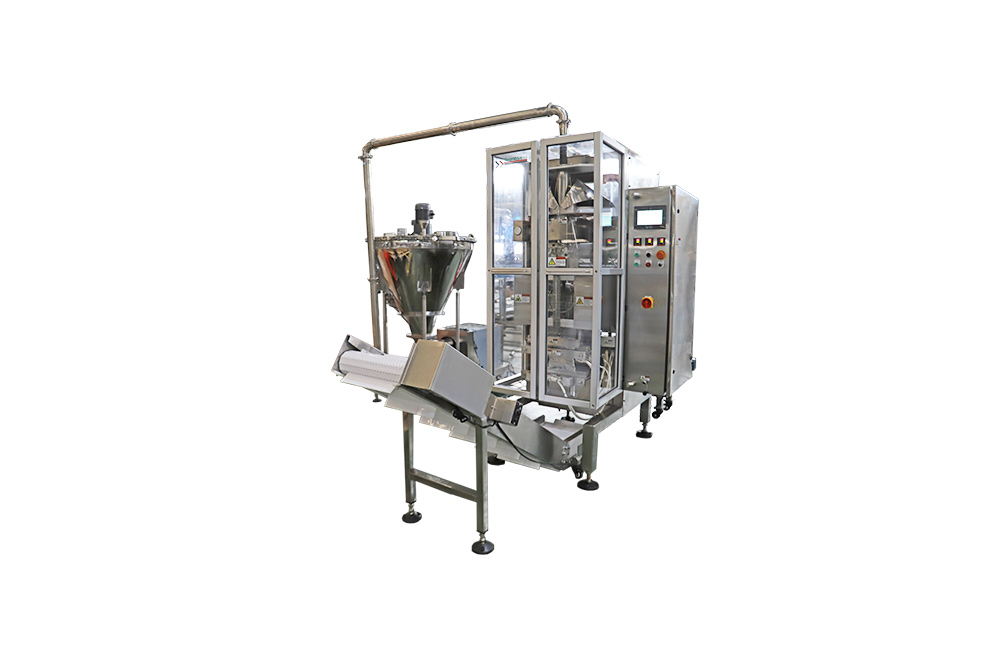
Accurate filling is essential for consistency, product appearance, and cost control. If the filling timing is not synchronized with sealing motion, the product may end up in the seal area, resulting in defects.
6. Top Sealing and Cutting
After the bag is filled, the horizontal sealing jaws close again to form the top seal, completing the package.
A cutting system then separates the finished bag from the film tube. The machine immediately starts the process again, producing a continuous flow of finished bags.
Why the Working Principle Matters
Understanding the working principle of VFFS machines is critical for evaluating equipment performance and solving common packaging issues. The process directly impacts:
- Seal integrity
- Packaging speed
- Film compatibility
- Changeover efficiency
- Product handling
- Downtime risk
- Maintenance needs·
For example, inadequate sealing time may result in leaks, and unstable film tension may cause misalignment or registration errors. Recognizing these issues early on can save time and reduce costly mistakes.
Intermittent vs Continuous Motion VFFS Machines
Another key consideration when evaluating VFFS machines is the difference between intermittent motion and continuous motion systems.
Intermittent Motion VFFS Machines
In intermittent motion machines, the film pauses briefly at certain stages of the cycle to facilitate sealing and cutting. This system provides controlled motion and is ideal for applications that require precise sealing and flexibility across different product types.
Advantages of intermittent motion:
- Adaptability for different bag formats
- Reliable sealing
- Easier handling of varying products
Continuous Motion VFFS Machines
In continuous motion machines, the film moves continuously while sealing and cutting systems remain synchronized with the film speed. This design is more efficient for high-output production and is ideal for high-speed lines.
Advantages of continuous motion:
- Increased throughput·
- Consistent operation over long runs
- Ideal for high-volume packaging
Common Problems Related to the VFFS Working Process
Packaging problems often arise from specific parts of the VFFS cycle. Common issues include:
- Weak seals due to improper temperature, pressure, or dwell time
- Film tracking problems caused by poor tension control or misalignment
- Product trapped in the seal area because of filling timing errors
- Inconsistent bag weights due to inaccurate filling systems·
- Excess downtime caused by difficult changeovers or inadequate maintenance·
Understanding the VFFS working principle helps identify and address these issues, ensuring stable, efficient packaging performance.
Benefits of Understanding How a VFFS Machine Works
A clear understanding of the VFFS process offers several advantages:
- Better machine selection
- Easier comparison of different VFFS systems
- Improved troubleshooting and maintenance
- Stronger control over seal quality
- Reduced material waste
- More efficient line integration
For manufacturers, knowing how VFFS machines work directly impacts productivity, product protection, and long-term operational cost savings.
Conclusion
While the working principle of VFFS machines is simple in concept, its impact on production efficiency and product quality is immense. By understanding how a VFFS machine works, manufacturers can improve their packaging process, troubleshoot common issues, and make more informed decisions when choosing the right equipment.
Whether opting for intermittent motion or continuous motion, knowing the working principles of VFFS machines will lead to better choices, more reliable production, and long-term cost benefits.
Need help choosing the right VFFS machine for your product?
Soontrue offers a range of VFFS machines to meet your specific needs. Contact us today to discuss your requirements and find the perfect packaging solution for your business.

Related Flow Wrapping Articles
To learn more about VFFS and related packaging solutions, explore the following articles:
- What Is Form-Fill-Seal (FFS)?
- Vertical Form-Fill-Seal (VFFS) Packaging Machines: Structure & Applications
- How Does a VFFS Machine Work?
- Choosing the Right VFFS Machine for Your Product
- VFFS vs HFFS: Which Packaging Solution Is Right for You?
- Troubleshooting Common VFFS Packaging Problems
- Optimizing Packaging Efficiency with VFFS Machines
FAQ About VFFS Machines
1. What is the difference between intermittent and continuous motion VFFS machines?
Intermittent motion VFFS machines briefly stop the film during sealing and cutting stages, providing more control over the process. This is ideal for applications that need flexible packaging formats or precise sealing.
Continuous motion VFFS machines, on the other hand, keep the film moving continuously, offering faster throughput and higher production speeds for long runs of standard products.
2. What types of products are best suited for VFFS machines?
VFFS machines are suitable for a wide range of products including:
- Snacks and biscuits
- Powders and granules
- Frozen foods
- Coffee and liquid products
- Small consumer goods
Their flexibility in filling systems (such as multihead weighers, auger fillers, or volumetric cup fillers) makes them adaptable to various product types.
3. How do VFFS machines ensure the accuracy of filling?
VFFS machines use a range of filling systems like multihead weighers for irregular solids, auger fillers for powders, and volumetric fillers for granular products. The filling system is synchronized with the sealing process to ensure accurate amounts of product are dispensed into each package.
4. Why is film tension so important in VFFS machines?
Film tension is crucial because if the film moves unevenly or with too much tension, it can cause wrinkles, misalignment, or improper sealing. Proper tension control ensures that the film is fed consistently through the machine, resulting in high-quality seals and accurate bag formation.
5. How does the VFFS machine handle bag size changes?
Changing bag sizes in a VFFS machine typically requires adjustments to the forming collar, forming tube, and sealing jaws. Many modern VFFS machines are designed to be easy to adjust for different bag sizes, minimizing downtime and increasing production flexibility.
6. What are the most common problems with VFFS machines?
Some common issues with VFFS machines include:
- Weak seals due to improper temperature or pressure settings.
- Film tracking problems, causing misalignment or wrinkles.
- Product trapped in the seal area due to poor filling synchronization.
- Inconsistent bag weights due to inaccurate fillers.
- Excess downtime from difficult changeovers or insufficient maintenance.
Understanding the working principle of the machine helps identify and troubleshoot these issues more effectively.
7. How can I improve the efficiency of my VFFS machine?
To improve efficiency, ensure that:
- Film tension is properly maintained.
- Sealing temperatures and pressures are set correctly.
- Filling systems are calibrated regularly.
- Maintenance schedules are adhered to, minimizing downtime.
- Changeovers between bag sizes are as quick as possible with minimal adjustment.
Optimizing these factors will help reduce waste, improve seal quality, and increase production speeds.
8. Can VFFS machines handle different film types?
Yes, VFFS machines are highly versatile and can handle a variety of film types, including:
- Polyethylene (PE)
- Polypropylene (PP)
- Laminated films for enhanced barrier properties
- Aluminum foil for packaging that requires an airtight seal
The specific film type used will affect machine settings like sealing temperature, pressure, and film tension.
9. What is the typical production speed of a VFFS machine?
The production speed of a VFFS machine depends on factors such as the type of product, bag size, and the specific machine model. Typically, VFFS machines can produce between 60 and 200 bags per minute, though some high-speed models can go even faster.
10. How do I choose the right VFFS machine for my packaging needs?
To choose the right VFFS machine, consider the following:
- Product type and characteristics (e.g., powders, solids, liquids)
- Packaging speed required
- Bag size and format
- Sealing quality needed
- Film compatibility (e.g., type and thickness)
- Machine maintenance and support from the manufacturer
Understanding your specific needs will help you select the right machine and optimize your packaging process.