
The Complete Guide to Biscuit & Cookie Packaging Machines
Packaging Knowledge Hub

If you're seeking packaging automation solutions, please contact us, and we'll be delighted to offer you the most tailored solution.
A biscuit packaging machine is used to wrap, seal, and protect biscuits, cookies, crackers, and other baked snacks in a fast and hygienic way. For food manufacturers, the right packaging machine helps reduce breakage, improve seal quality, extend shelf life, and increase production efficiency. Whether you need single packs, tray packs, family packs, or premium pouch packaging, understanding the different machine types and features is essential. This guide explains how biscuit packaging machines work, what options are available, and how to choose the best solution for your production line.
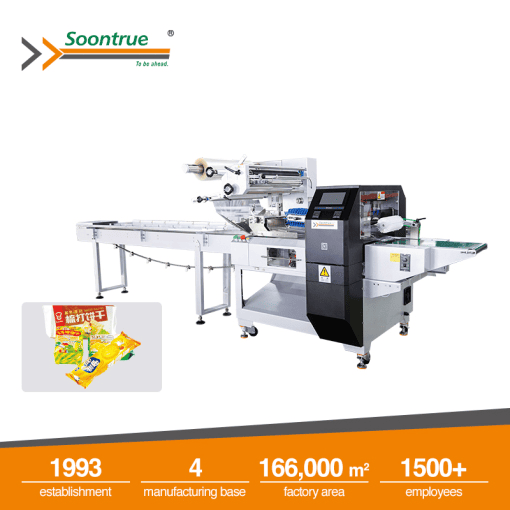
What Is a Biscuit Packaging Machine?
A biscuit packaging machine is an automated system designed to package baked products such as biscuits, cookies, wafers, crackers, and sandwich biscuits. Depending on the product format, the machine may include feeding, arranging, flow wrapping, sealing, coding, and output conveying functions. In large factories, biscuit packaging machines are often part of a complete packaging line connected with upstream production and downstream cartoning systems.
Main Types of Biscuit Packaging Machines
Selecting the right architecture depends on your product fragility, shape, and desired output speed.
1. Horizontal Flow Wrappers (HFFS)
Horizontal flow wrappers are widely used for biscuits packed in stacks, trays, or single-piece formats. They are ideal for high-speed production and can support rotary sealing or box-motion sealing depending on the required packaging quality.
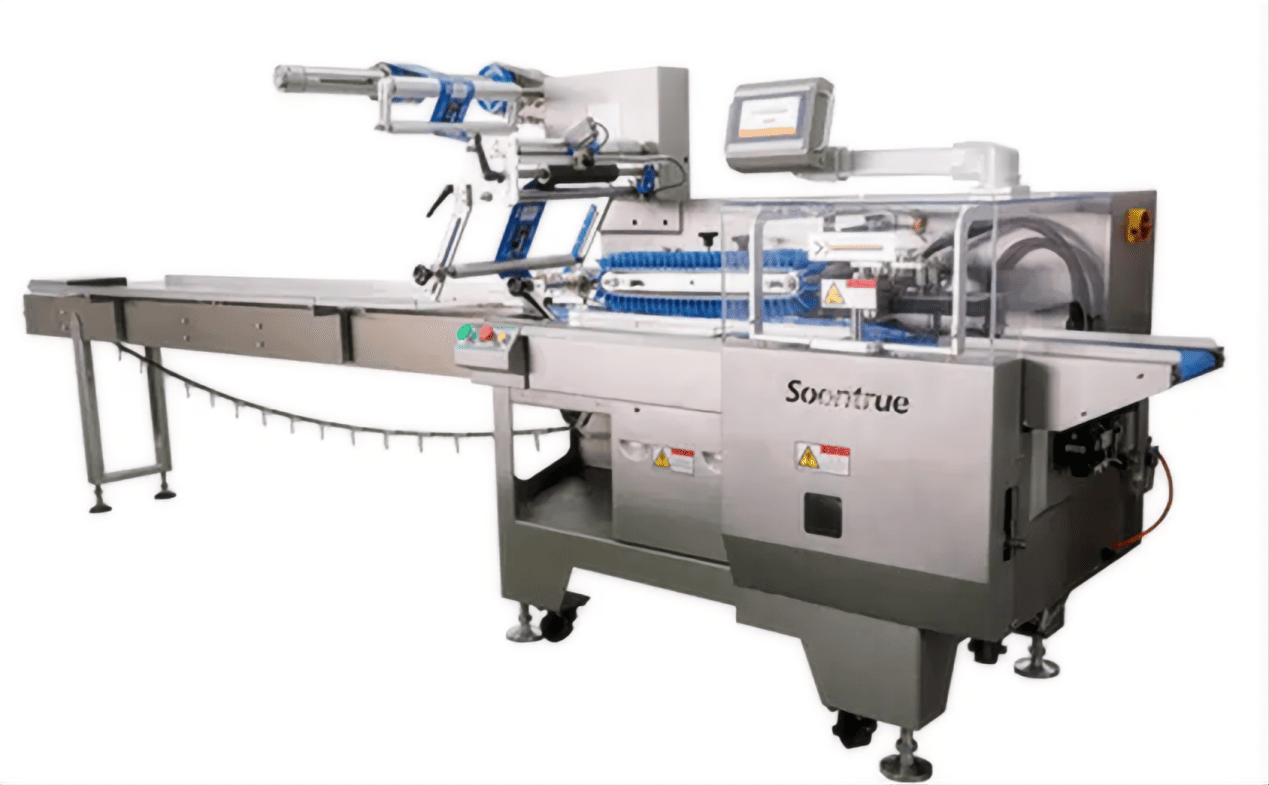
Best For: Trays, stacks of biscuits, or individual cookies.
Key Configuration – Rotary vs. Box Motion:
Rotary Jaws: The sealing jaws rotate continuously.
- Pros: Extremely high speed .
- Cons: Shorter sealing time, less airtight.
Box Motion (Reciprocating) Jaws: The jaws move in a square motion, traveling with the product to seal.
- Pros: Longer dwell time creates a hermetic (airtight) seal essential for gas flushing.
- Cons: Slightly slower speeds.
Procurement Tip: If you need long shelf life for export, choose Box Motion. If you need speed for local school snacks, choose Rotary.
2. Vertical Form Fill Seal (VFFS) Machines
VFFS machines are suitable for small biscuits, broken biscuits, mini cookies, or loose snack packs. They are compact and cost-effective, but they are generally less suitable for fragile or large biscuits.
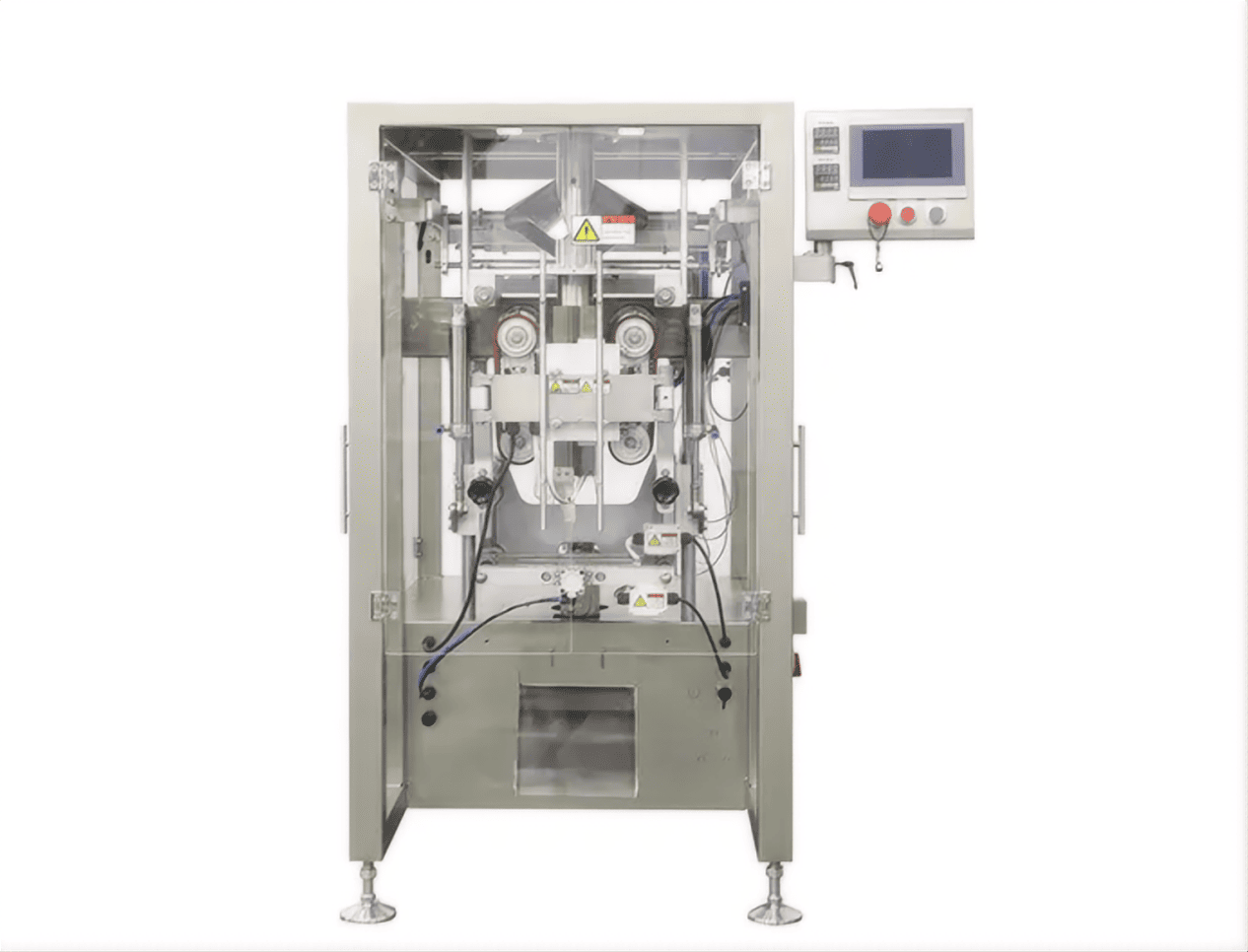
Best For: "Dump packs" of mini cookies, animal crackers, or broken biscuit assortments.
- Pros: Small footprint and lower capital cost.
- Cons: Not suitable for fragile, large biscuits as the drop can cause breakage.
3. Rotary Premade Pouch Machines
Premade pouch machines are used for premium cookie products that require stand-up pouches, zipper pouches, or attractive retail packaging. They provide excellent shelf appeal but usually involve higher packaging material cost.
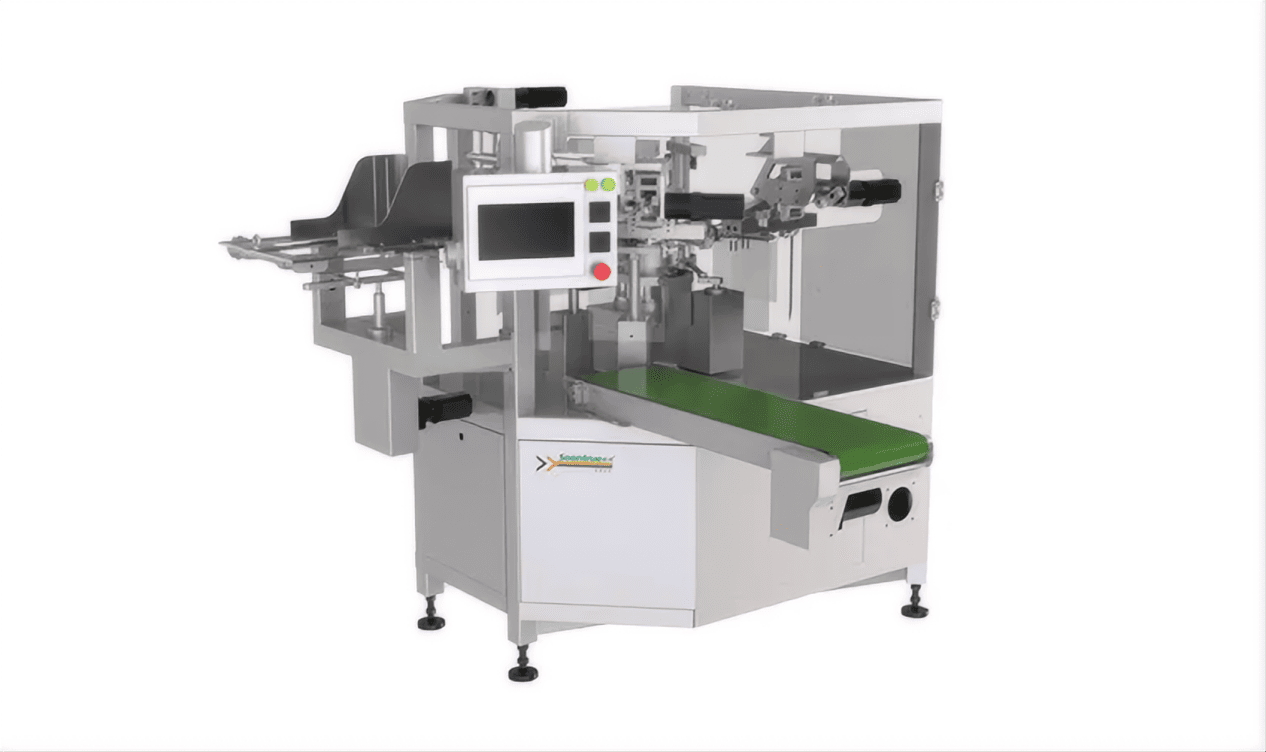
Best For: Premium chocolate chip cookies, keto snacks, and gift packs.
- Pros: Superior shelf presence and zipper integration.
- Cons: Higher cost per bag compared to roll stock film.
Decision Matrix: Flow Wrapper vs. VFFS vs. Pouch Machine
Below is a comparison table of the three main types of biscuit packaging machines to help you choose the right equipment:
| Feature | Horizontal Flow Wrapper (HFFS) | Vertical (VFFS) | Rotary Premade Pouch |
| Primary Product | Trays, Stacks, Single Cookies | Mini Cookies, Loose Snacks | Premium/Gourmet Cookies |
| Speed Potential | Very High | High | Medium |
| Protection Level | High (Tray support available) | Medium (Drop impact risk) | High (Strong barrier films) |
| Film Cost | Low (Roll stock) | Low (Roll stock) | High (Premade bags) |
| Changeover Time | Medium | Fast | Fast |
Not sure which machine fits your biscuit production line? Talk to our packaging experts today for a free consultation.
Why Advanced Biscuit Packaging Automation is a Critical Investment
Biscuit packing machine is not just a wrapping machine but also a preserving mechanism.Whether you make hard dough biscuits, soft cookies or cream-filled sandwich, the line that you chose will deliver three important ROI strapping functions!
- Minimizing Product Giveaways & Waste: Modern systems with intelligent feeding and "No-Product-No-Packaging" features ensure you never wrap empty air or cut through a misaligned biscuit.
- Extending Shelf Life (MAP): Biscuits are hygroscopic (moisture-absorbing) and high in fat. Advanced machines integrate Nitrogen Flushing (Modified Atmosphere Packaging) to prevent oxidation and sogginess.
- Brand Protection: In a crowded retail aisle, pack integrity is paramount. A machine that delivers consistent seal quality ensures your brand is associated with freshness, not stale crumbs.
Selecting the Right Packaging Materials for Freshness
The choice of material plays a key role in protection, shelf appeal, and cost-efficiency. Common materials include:
1. BOPP/CPP Films
- Widely used for pillow packs and flow wrap packaging.
- High clarity, heat-sealable, and cost-effective.
2. PET/PE or PET/AL/PE Laminates
- Multi-layer laminates offer superior barrier against moisture, light, and air.
- Ideal for biscuits with added flavors or fillings.
3. Premade Pouches
- Stand-up or gusseted pouches are increasingly popular in premium segments.
- Support vibrant printing and consumer convenience.
Applications
Biscuit packaging machines can be used for hard biscuits, sandwich biscuits, crackers, cookies, wafers, chocolate-coated products, mini snacks, and assorted bakery packs. Different packaging solutions are available depending on whether the product is packed individually, in stacks, in trays, or in premium pouches.
Biscuit Packaging Process: Step-by-Step
A typical biscuit packaging process includes:
1. Feeding and Alignment
- Biscuits are fed via conveyor belts.
- Optional sensors align them properly for wrapping.
2. Counting or Weighing
- Multi-head weighers or counting devices ensure consistent quantity per pack.
3. Film Forming and Filling
- In form-fill-seal machines, the packaging film is formed into a pouch or flow wrap around the biscuits.
4. Sealing and Gas Flushing
- Heat sealing ensures airtight closure.
- Nitrogen flushing is added for freshness (optional).
5. Date Coding and Labeling
- Inkjet or thermal printers add batch info, expiry date, etc.
6. Secondary Packaging
- Wrapped biscuits are packed into cartons or trays for shipping.
How to Choose the Right Biscuit Packaging Machine
Choosing the right machine depends on several factors, including biscuit type, product size, fragility, packaging format, speed requirement, film structure, automation level, and budget. Manufacturers should also consider whether they need a standalone machine or a complete line integrated with feeding and cartoning systems.
What Affects Biscuit Packaging Machine Price?
The price of a biscuit packaging machine depends on machine type, speed, level of automation, feeding system complexity, packaging material compatibility, gas flushing function, and customization requirements. High-speed integrated packaging lines generally involve higher initial investment, but they can deliver better productivity and lower long-term operating cost.
Why Choose Soontrue
Soontrue provides customized biscuit packaging solutions for different product types and factory layouts. With experience in automated packaging systems, Soontrue can support machine selection, line design, installation, testing, and after-sales service for manufacturers looking to improve packaging efficiency and product protection.
Conclusion: Protect Your Production Line
In the biscuit product, the packaging machine is the quality keeper of your brand. A low quality machine can save you money initially, but the costs associated with downtime, high breakage rates and leaking seals will eat away your profits over time.
Whether for the high-speed efficiency of a Horizontal Flow Wrapper for school snacks, or the premium presentation of a Rotary Pouch Machine for gourmet cookies, the goal is the same: Efficiency, Integrity, and Appeal. We are experts in the biscuit dough and packaging physics at Soontrue. We don’t just sell equipment, we design solutions for your specific shop space and production needs.
Ready to upgrade your bakery line? Don’t let outdated equipment eat away at your profits.
Contact Soontrue Today to discuss a consultation on custom biscuit packaging lines for the 2026 market.
Frequently Asked Questions (FAQ)
Q1: How do I prevent biscuits from breaking during the packaging process?
A: Use a Horizontal Flow Wrapper with a gentle, servo-driven belt feeding system rather than pusher chains. For extremely fragile items (like wafers), packing them in a plastic tray first provides necessary structural support.
Q2: What is the difference between "Fin Seal" and "Lap Seal"?
A: A Fin Seal joins the inside edges of the film together (like a fish fin), providing a stronger seal for gas flushing. A Lap Seal overlaps the film (inner to outer), using less film but offering a lower barrier. Fin seal is recommended for biscuits requiring long shelf life.
Q3: Can Soontrue Packing machines handle different pack sizes?
A: Yes. Our servo-driven machines allow you to save multiple "Recipes" in the HMI (touchscreen). You can switch from a 2-pack to a 10-pack configuration in minutes by selecting the preset, with the machine automatically adjusting bag length.
Q4: Is nitrogen flushing worth the extra cost?
A: If your supply chain exceeds 3 months or your product has high fat/oil content, yes. Nitrogen flushing displaces oxygen, preventing oxidation (stale taste) and cushioning the product against physical damage.
Q5: What is the lead time for a custom biscuit packaging line?
A: Standard standalone machines can be ready in 1-2 weeks. Complex fully automated lines with cooling tunnel integration and automatic feeding systems typically require 12-16 weeks for engineering and testing.
Q6: What is the best packaging machine for biscuits?
A: For most standard biscuit products, a horizontal flow wrapper is the preferred option because it offers high speed, stable sealing, and good product protection.
Q7: Can biscuit packaging machines handle fragile cookies?
A: Yes. Machines with proper feeding systems, tray support, and misalignment detection can reduce breakage and improve packaging consistency for fragile products.
Q8: What packaging material is best for biscuits?
A: BOPP/CPP is commonly used for standard packaging, while laminated barrier films are better for products requiring longer shelf life and stronger moisture protection.
Q9: How much does a biscuit packaging machine cost?
A: The cost varies based on machine type, speed, automation, and customization. A complete packaging line will typically cost more than a standalone wrapping machine.