
Why Are Food Brands Shifting to Flexible Sauces Packaging Solutions?
Packaging Knowledge Hub

If you're seeking packaging automation solutions, please contact us, and we'll be delighted to offer you the most tailored solution.
Rigid containers have been the industry standard for over a century, but they come with significant logistical baggage. Glass shatters. Thick PET plastic takes up massive amounts of warehouse space before it even reaches the filling line. Flexible packaging solves these operational headaches while offering a much better user experience.
- Consumer Convenience: People want to squeeze out every last drop of mayonnaise or expensive truffle ketchup without violently shaking a glass bottle. Flexible pouches allow for near 100% product evacuation, reducing food waste at home.
- Logistical Efficiency: An empty flexible pouch takes up a fraction of the space of an empty bottle. You can fit thousands of flat pouches (or rolls of film) on a single pallet, drastically cutting down inbound freight costs and warehouse footprint.
Rigid vs. Flexible Packaging: A Quick Comparison
Here is how traditional rigid containers stack up against modern flexible solutions on the factory floor and the retail shelf.
| Metric | Glass Jars | Rigid Plastic (PET) | Flexible Pouches |
| Inbound Freight Cost | Very High (Heavy & bulky) | Medium (Bulky) | Extremely Low (Ships flat) |
| Product Evacuation | Poor (Residue left behind) | Moderate | Excellent (Easily squeezable) |
| Breakage Risk | High | Low | Near Zero |
| Carbon Footprint | High (Manufacturing & transport) | Medium | Low (Less material used) |
What Are the Top 3 Condiment Packaging Trends Dominating the Market?
Depending on whether you are supplying retail supermarkets, fast-food chains, or industrial kitchens, the format of your sauce matters immensely. Here are the three solutions currently driving machinery sales and plant upgrades.
1. Spouted Stand-Up Pouches (The Retail Winner)
Walk down any grocery aisle, and you will see premium pasta sauces, baby food purees, and artisanal dressings packed in doypacks with corner or center spouts.

The Advantage: They stand upright on the shelf, offer a massive billboard for branding, and feature tamper-evident screw caps that allow consumers to reseal the product easily. For co-packers, investing in rotary premade pouch packing machines equipped with capping stations is a surefire way to attract high-end brand contracts.
2. Portion-Control and On-the-Go Formats (The Foodservice Staple)
The takeout and delivery boom has skyrocketed the demand for single-serve condiments.
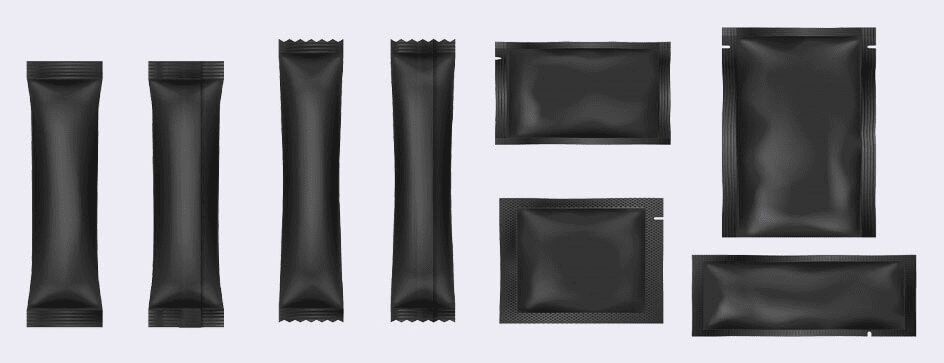
The Advantage: Stick packs and shaped sachets are perfect for delivering exact caloric portions of salad dressings, soy sauce, or hot sauce. For machinery distributors, multi-lane stick pack machines are currently some of the most sought-after assets because they offer blistering production speeds in a very compact footprint.
3. Bulk Foodservice Pouches (The Back-of-House Upgrade)
Restaurants are aggressively moving away from massive metal cans and rigid plastic buckets.
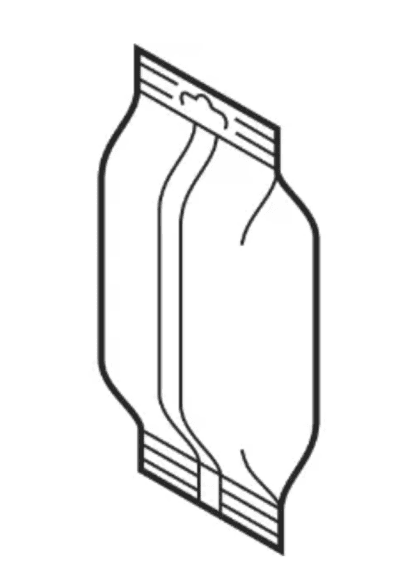
The Advantage: Large pillow bags (often formed on heavy-duty VFFS machines) or Bag-in-Box solutions are much more sanitary. They are easier for kitchen staff to handle, eliminate the risk of metal shavings from can openers, and generate significantly less waste volume in the dumpster.
How Do High-Barrier Films and Hot Fill Solutions Extend Shelf Life?
A great-looking package means nothing if the sauce inside spoils or loses its vibrant color. Sauces are notoriously tricky because they often contain acidic ingredients (like tomatoes or vinegar), oils that can go rancid, and spices sensitive to UV light.
- The Role of High-Barrier Films: To protect the product, flexible packaging relies on multi-layered laminated films. Layers containing EVOH (Ethylene Vinyl Alcohol) or aluminum foil act as invisible shields, blocking oxygen and moisture from entering the pouch. This is what keeps a tomato sauce looking bright red instead of turning a dull brown on the shelf.
- Hot Fill and Retort Capabilities: Many sauces require thermal processing to kill bacteria. If your plant utilizes a hot fill process (filling at 85°C to 95°C) or retort sterilization (cooking the sealed pouch in a pressure vessel at up to 121°C), standard polyethylene films will simply melt or delaminate. You need specialized, heat-resistant retort films. When sourcing packaging machinery, it is critical to ensure the sealing jaws can apply the precise pressure and temperature profiles required to weld these heavy-duty films together without compromising the barrier layers.
Can Sustainable Sauce Packaging Actually Work on High-Speed Lines?
Sustainability is no longer just a marketing buzzword; it is becoming a strict regulatory requirement in many regions. However, eco-friendly materials often behave differently on automated packaging equipment, creating headaches for plant engineers.
- The Push for Mono-Material Structures: Traditional flexible pouches are notoriously difficult to recycle because they fuse different types of plastic and aluminum together. The industry is rapidly shifting toward mono-material structures (made entirely of PE or PP). These are 100% recyclable, but they have a very narrow "sealing window." If your sealing jaws are too hot, the film burns; too cold, it leaks. Upgrading to machines with highly precise, servo-driven sealing technology is essential when running mono-materials.
- Reducing Overall Plastic Weight: Even if a plant isn't ready for fully recyclable films, simply moving from a thick plastic bottle to a thin flexible pouch reduces the total plastic weight by up to 60%. This "source reduction" is a massive step forward in meeting corporate sustainability goals without overhauling your entire material supply chain.
Building Your End-to-End Sauces Packaging Strategy
Upgrading your liquid packaging line requires looking at the big picture. It is never just about buying a filler; it is about how the film, the pump, and the sealing mechanism interact with your specific recipe.
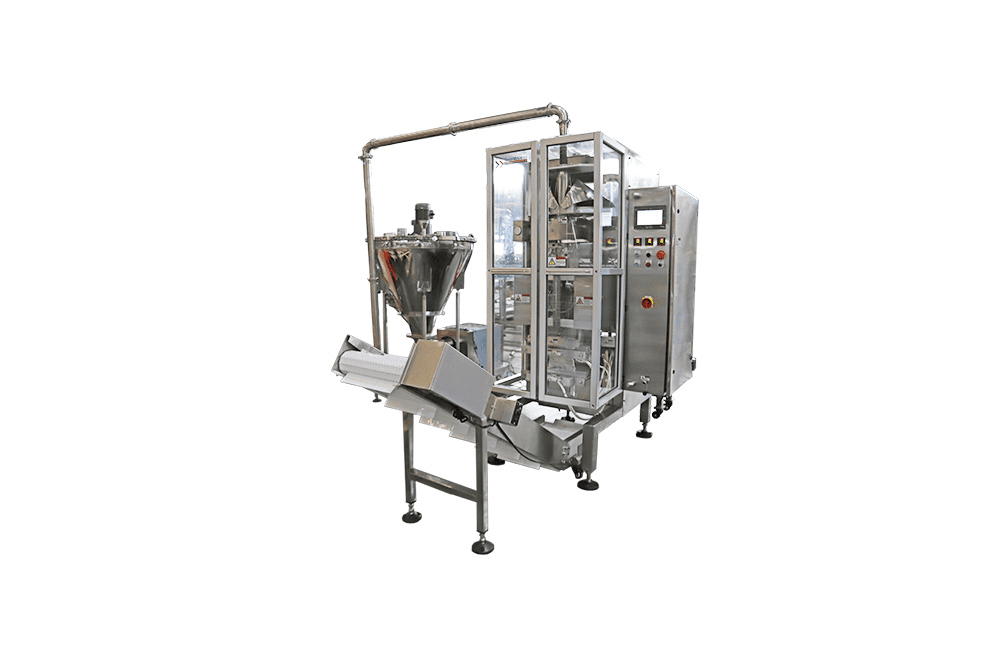
When planning your next capital equipment purchase, work closely with your machinery distributor to test your actual product—including any chunks or particulates—on their equipment. Ensure the film you intend to use is perfectly compatible with the machine's sealing technology, especially if you are moving toward sustainable mono-materials.
FAQs
Q: What is the best packaging format for thick sauces with particulates?
A: For chunky products like salsa or tartar sauce, a spouted pouch or a wide pillow bag works best. Crucially, the filling machine must be equipped with a piston filler and specialized rotary valves to prevent crushing the vegetable or fruit pieces during the dosing process.
Q: Can I run recyclable mono-materials on my older VFFS machine?
A: It depends on the age and precision of your sealing jaws. Mono-materials are highly sensitive to temperature fluctuations. Older machines with basic pneumatic seals often struggle to maintain the tight temperature control required, leading to burnt film or weak seals. You may need to retrofit the sealing jaws or upgrade to a newer servo-driven model.
Q: How does a spouted pouch compare to a glass jar in terms of shelf life?
A: When manufactured with the correct high-barrier layers (like EVOH or foil), a spouted pouch can offer a shelf life comparable to glass—often 12 to 18 months—by effectively blocking oxygen and UV light.
Q: Why are stick packs becoming more popular than traditional square sachets?
A: Stick packs use up to 30% less film to hold the exact same volume of liquid as a traditional flat sachet. This significant reduction in material cost, combined with the fact that they are easier for consumers to open and pour without spilling, makes them highly attractive to food brands and co-packers.
Q: Is it difficult to clean a machine that runs oily or sticky sauces?
A: It shouldn't be, provided you purchase a machine designed for sanitary environments. Look for equipment with full stainless steel construction (304 or 316L) and Clean-in-Place (CIP) capabilities. CIP allows operators to flush hot water and cleaning agents through the pumps and piping without manually dismantling the entire system, drastically reducing changeover times between different sauce flavors.