
What Is the Automated Packaging Process in Food Manufacturing?
Packaging Knowledge Hub

If you're seeking packaging automation solutions, please contact us, and we'll be delighted to offer you the most tailored solution.
Striving to increase output while upholding stringent cleanliness and quality standards is an ongoing challenge for food manufacturers. The shift toward automated packaging is no longer just an optional enhancement for plant managers, equipment suppliers, and brokers—it is a vital stay-in-business measure. This transition greatly lessens labor requirements, reduces product waste, and ensures compliance with worldwide food safety standards.
Below is a detailed, structured guide to the automated packaging process, its core components, realistic return on investment (ROI) expectations, and how to choose the right equipment to meet your exact production needs.
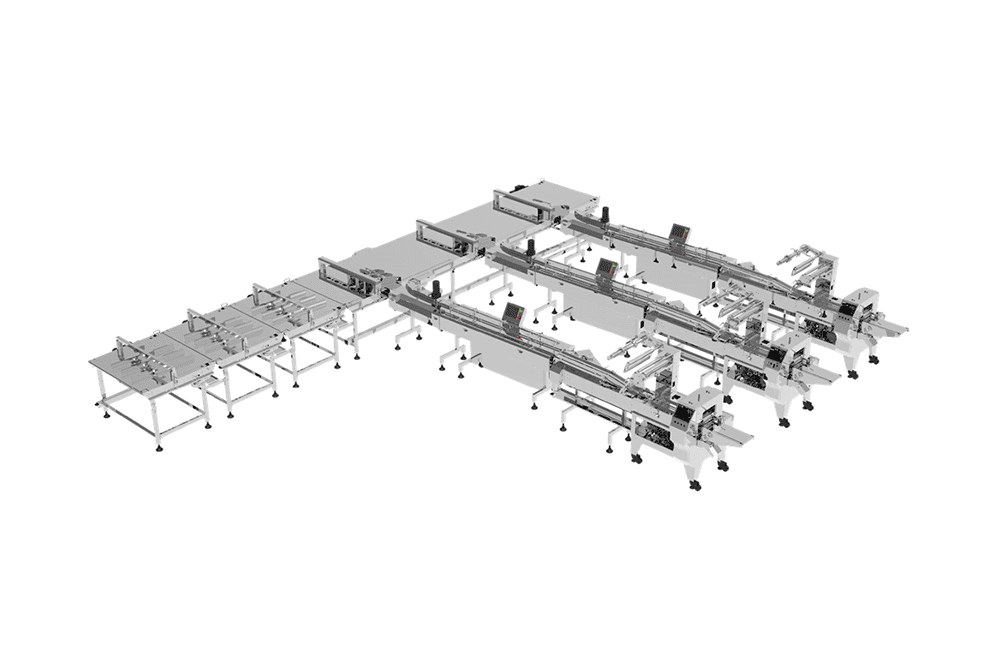
What Is the Automated Packaging Process?
Automated packaging systems utilize advanced machinery, primarily robotics and software, to perform packaging functions with minimal manual intervention.
In the food industry, this process involves a continuous workflow where raw or processed food is packaged, sealed, inspected, boxed, and palletized for shipping.
The Evolution: Historically, food processing plants depended primarily on labor-intensive manual or semi-automatic systems, resulting in bottlenecks, inconsistent seals, and increased contamination risks. Modern automated systems are governed by programmable logic controllers (PLCs), servo motors, and smart sensors, utilizing real-time data to control production. While human operators remain necessary for recipe changeovers, film roll replacements, and regular maintenance, the machines execute the high-speed, continuous motion that ensures output uniformity and accuracy.
The 5 Core Building Blocks of an Automated Packaging System
A high-performance automated packaging line is akin to a well-rehearsed orchestra of customized machines working in unison. For distributors and plant buyers, understanding these modules is key to planning an individualized production line.
Filling and Dosing Systems
Precision is everything in food packaging. When a packaging line is tightly integrated with accurate filling systems, you achieve a neat and orderly array of filled containers and bags. Modern dosers are extremely flexible:
- Multi-head weighers: Suitable for granular or irregular products such as snacks, chips, and frozen foods.
- Auger fillers: Ideal for free-flowing as well as non-free-flowing powders like flour or spices.
- Volumetric piston fillers: Designed for viscous food liquids such as sauces, pastes, and oils.
Sealing and Closing Machines
Once the package is filled, it must be sealed to lock in freshness and avoid tampering. Sealing machines rely on advanced technology—heat sealing, cold sealing, or ultrasonic welding—to form airtight closures. In the food industry, this frequently includes gas flushing (MAP – Modified Atmosphere Packaging) to substitute oxygen with nitrogen, substantially extending shelf life.
Labeling and Coding Equipment
Traceability and compliance are mandatory. Automated labeling lines can accurately apply branding, nutritional information, and barcodes at high speeds. Integrated coding equipment (such as continuous inkjet or thermal transfer overprinters) prints variable data, like batch codes and best-before dates, directly onto the packaging film.
Quality Inspection Systems
Inline inspection for brand protection and consumer safety is now standard on automated lines:
- Checkweighers: Ensure each package meets the declared weight, automatically rejecting overfilled or underfilled items.
- Metal Detectors and X-Ray Systems: Scan for foreign matter prior to finished goods shipment.
Case Packing and Robotic Palletizing
This is the final stage of the automated procedure. A case packer automatically groups single products and loads them into secondary packaging. Finally, robotic palletizers stack these boxes onto pallets. While primary packaging machines treat the food directly, this downstream equipment works hand-in-hand to eliminate heavy manual lifting.
Ways To Automate Your Packaging Process
Automation packaging systems require numerous components to be synchronized correctly for reliable functioning. Depending on your packaging needs, this could include any combination of the following:
- Robotic Packing Systems: A robotic packing system can facilitate many distinct functions at once. Labeling and coding products, inspecting containers and shelves, accurately identifying your specific range of products, and self-timing and -adjusting with the other automated packaging components are just several important factors.
- Motion Control & Synchronization: Motion control involves managing the flow of goods through the automated packaging process. This is most easily applied to pharmaceutical products, food, drinks, and related items. Palletizing cases and boxes is one application that remains challenging for motion control and process synchronization, as boxes or cartons must be placed in a stable configuration to prevent tipping.
- Semi-Automated Pallet Wrappers: Though palletized items often vary in size, shape, and weight, partial automation is still possible — particularly in pre-stretching and -positioning wrapping materials for easier application. They also reduce material waste, cutting costs and operating expenses.
- Form Fill Seal Machine: Packaged food and other perishable products particularly benefit from automated sealing, filling, and forming packages, which become more durable. Modern form-fill-seal machines automatically notify operators when an improper seal is detected, reducing waste and liability.
- Smart Equipment Sensors: Tracking and tracing products is very important, especially when perishable items are involved. Along with expiration or best-by dates, batch and lot codes can easily be indexed for superior reviewing purposes and granular control of the movement of packaged goods. Additionally, sensors streamline products and container counting. This further assists in any sanitization processes, where accurate accounting of individual containers and various container properties is essential.
Why Is Automated Packaging Crucial for Food Processing Plants?
Automation requires an initial investment, but the long-term ROI makes it highly attractive for food manufacturers and a very saleable solution for machinery agents.
- Unparalleled Uniformity and Accuracy: Automated systems complete repetitive work with a level of precision that cannot be matched by manual labor. This uniformity decreases variations in seal strength and package appearance.
- Realistic Long-Term Cost Reductions: While there is a sizable upfront CapEx, the OpEx savings are dramatic. Automation slashes labor costs, reduces expenses tied to employee turnover, and minimizes product giveaway (overfilling) and material waste.
- Scalability and Agility: Today’s automated packaging equipment is known for its versatility. Using HMI (Human-Machine Interface) touchscreens, operators can store "recipes" for different products, facilitating quick changeovers to accommodate evolving consumer needs.
- Improved Workplace Safety and Cleanliness: By removing human hands from the direct packaging operation, plants greatly diminish the risk of biological contamination—a critical factor for food safety audits (such as BRC or SQF).
Strategic ROI Analysis: Manual vs. Fully Automated Lines
For plant managers, the decision to automate is often driven by the "Payback Period." Based on Soontrue’s 20+ years of field data, here is how the transition typically impacts operational costs:
| Feature | Manual Packaging | Semi-Automated | Fully Automated (Soontrue) |
| Output Speed | 10-15 BPM | 30-50 BPM | 120+ BPM |
| Labor Requirement | 4-6 Operators | 2 Operators | 0.5 (Monitoring only) |
| Material Waste | High (Human error) | Moderate | < 0.5% (Precision sensors) |
| ROI Period | N/A | 18 - 24 Months | 10 - 14 Months |
Expert Insight: While the initial CapEx for full automation is higher, the reduction in "Product Giveaway" (overfilling) alone often covers the machine cost within the first year of high-volume production.
Industry Applications: Tailored Solutions for Food Sectors
Different food products demand specific packaging technologies. Here is how automation accommodates the unique needs of various sectors:
| Food Sector | Key Packaging Challenges | Ideal Automated Solutions |
| Bakery & Biscuits | Fragility, moisture control, varying shapes. | Flow Wrap Packing Machines: Fast, gentle product handling integrated with automatic feeding systems to minimize damage. |
| Fresh Produce & Meat | Perishability, hygiene, irregular sizes. | Horizontal Flow Wrappers with MAP: Airtight packaging with Modified Atmosphere capabilities to retain freshness and retard bacterial growth. |
| Powders & Spices | Dust control, accurate dosing, cross-contamination. | Vertical Form Fill Seal (VFFS): Enclosed auger filling machines with integrated dust extraction systems. |
| Snacks & Confectionery | High volume, quick changeovers, vibrant branding. | Multi-head Weigher + VFFS: Rapid filling processes for pillow bags or stand-up pouches with premium print registration. |
By matching the right machinery to your specific food product, you can maximize efficiency, minimize waste, and ensure your production line runs at peak performance.
Case Study: Boosting Bakery Throughput by 45%
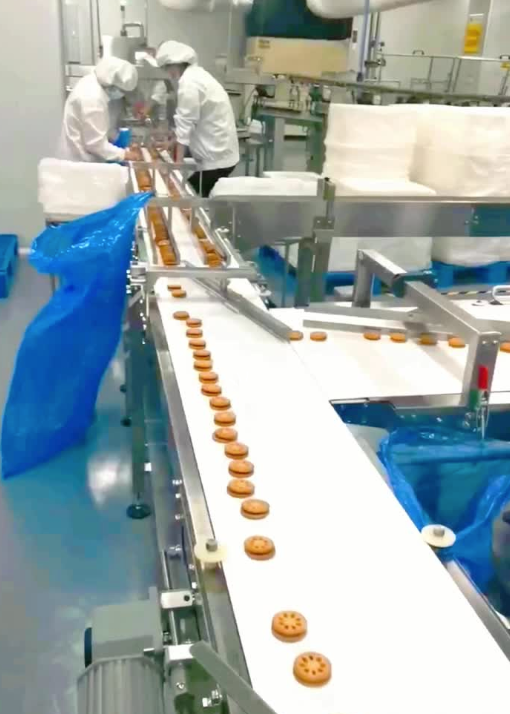
A mid-sized bakery client in Southeast Asia struggled with high breakage rates and inconsistent sealing in their biscuit line. By integrating a Soontrue Intelligent Flow Wrapping System with an automatic feeding conveyor, they achieved:
- Damage Reduction: Product breakage dropped from 7% to less than 1%.
- Labor Optimization: Reallocated 4 manual packers to other high-value areas of the plant.
- Compliance: Met stringent export standards for airtight sealing, extending shelf life by 3 months.
“The synchronization between the multi-head weigher and the flow wrapper was the game-changer for our OEE (Overall Equipment Effectiveness).” — Marco Huang, Marketing Director.
How to Select the Best Automated Packaging Machinery
For distributors recommending products to their customers or plant managers adding new technology to their lines, choosing the right equipment requires strategic evaluation:
- Know Your Production Metrics: Define your desired production rate (Bags Per Minute - BPM), the physical characteristics of your food product, and the exact packaging material you plan to use.
- Ensure System Integration: Your new machines must be able to "talk" to your existing upstream processing equipment and downstream logistics software (ERP/WMS).
- Evaluate Supplier Expertise: Working with an established manufacturer is key. Soontrue is a professional packing machine manufacturer specializing in robust core machinery solutions, including automatic packing machines, flow wrap packing machines, and horizontal packing machines. A trustworthy supplier provides superior primary packaging hardware alongside comprehensive after-sales service and operator training, ensuring smooth integration into your broader production ecosystem.

Advanced Integration: AI Vision & Sustainable Films
As we move into 2026, the "Automated Packaging Process" is no longer just about speed; it’s about intelligence and adaptability.
- AI-Driven Quality Control: Unlike traditional sensors, our latest AI vision systems can detect "near-invisible" seal contaminations (like a grain of sugar in the seal area) at speeds of 150 bags per minute, triggering an instant air-reject mechanism.
- The Green Transition: Modern food brands are shifting to mono-material recyclable films and paper-based laminates. Soontrue’s new generation of Horizontal Flow Wrappers features specialized "Long-Dwell" sealing technology, specifically designed to handle the narrower sealing temperature windows of eco-friendly materials without melting the substrate.
FAQs
Q1: How can packaging automation enhance manufacturing efficiency?
A: Packaging automation simplifies every step of the process. By delivering continuous, high-speed accuracy in filling, sealing, labeling, and palletizing, it eliminates machine downtime, decreases bottlenecks, and greatly improves overall output rates compared to manual labor.
Q2: Which food items are best suited for automated packaging?
A: Almost all food items can be automated. While exceedingly delicate artisanal pastries or irregular bone-in meats might still require semi-automatic handling, the technology is wildly adaptable. It applies to liquids, powders, granular materials, solid items, and even frozen or sticky products.
Q3: How long does it take to see ROI on an automated packaging solution?
A: Although the timeframe varies depending on the investment size and local labor expenses, many food processing plants recoup their costs within one to three years. This is achieved through labor savings, decreased material waste, and the capacity to consistently fulfill larger orders.
Q4: What is the difference between semi-automatic and fully automatic packing machines?
A: Semi-automatic packing machines require operators to carry out certain tasks manually, such as holding a bag under a filler or triggering a sealing jaw. Fully automatic equipment performs all primary packaging functions—bag forming, filling, sealing, and discharging—with virtually no operator involvement, delivering much higher speeds and consistency.
Recommendations & Next Steps
The shift to automated packaging is a critical phase in the ongoing evolution of manufacturing processes. For food plants, it is the secret to consistent quality and higher margins. As a distributor, providing dependable, solid equipment is the foundation for building long-term customer relationships.
When evaluating your current production line or looking to expand your machinery portfolio, teaming up with an experienced manufacturer is your best bet. Soontrue is a leading automatic packing machine manufacturer and a premier flow wrap packing machine supplier in China. We also provide highly competitive horizontal packaging solutions tailored for the food industry.
Explore our product specifications or contact our engineering team today for a personalized production line assessment.