
Flow Wrapping Solutions for Fragile Product Packaging
HFFS Machine Blog

If you're seeking packaging automation solutions, please contact us, and we'll be delighted to offer you the most tailored solution.
Fragile products require careful consideration throughout the packaging process. They can be affected by unstable transfer, inaccurate positioning, or excessive mechanical impact during automated production. For manufacturers, maintaining product quality while achieving efficient packaging performance is a continuous challenge. A suitable packaging solution needs to support gentle handling, consistent product placement, and reliable sealing without affecting production efficiency.
Flow wrapping technology provides a flexible approach for protecting fragile products by combining controlled product movement with precise packaging operations. This article explores the key challenges of fragile product packaging, the technologies that support better protection, and the factors manufacturers should consider when selecting a flow wrapping solution.
Why Fragile Products Require Specialized Packaging Solutions
Product Damage Can Occur Throughout the Packaging Process
Fragile products may experience damage at different stages of the packaging process, from initial feeding to final sealing. Even when the wrapping material provides sufficient protection after packaging, products can still be affected by mechanical movement before the package is completed.
During feeding and transportation, unstable product movement can create collisions between products or cause incorrect positioning. For delicate items such as biscuits, wafers, and other bakery products, small impacts may result in cracks, deformation, or changes in appearance.
The packaging process also requires accurate product alignment before wrapping and sealing. Poor positioning can influence sealing quality and create additional pressure on fragile products.
A well-designed flow wrapping solution considers the entire product journey inside the packaging system. Stable movement, controlled transfer, and accurate positioning work together to maintain product integrity from loading to finished packages.
Fragile Products Need a Balance Between Protection and Efficiency
Manufacturers often need to manage two important production goals at the same time: protecting product quality and maintaining efficient output.
Reducing machine speed may lower the risk of product damage, but it can also affect production capacity and operational efficiency. Manual handling can provide additional control for certain products, while increasing labor requirements and creating consistency challenges.
Modern flow wrapping solutions focus on improving product control through optimized machine design and precise operation. By managing product movement more effectively, manufacturers can achieve stable packaging performance while supporting automated production.
For fragile products, packaging efficiency depends not only on machine speed but also on how well the system adapts to product characteristics.
Key Requirements for Flow Wrapping Fragile Products
Gentle Product Handling and Stable Feeding
Product handling is one of the most important factors in fragile product packaging. Before wrapping begins, products need to move through the feeding and transfer sections with minimal impact. Unstable movement, sudden acceleration, or inconsistent spacing can increase the risk of breakage, especially for products with brittle structures or delicate surfaces.
A suitable flow wrapping solution focuses on maintaining smooth product movement throughout the feeding process. Stable feeding helps keep products correctly positioned, reduces unnecessary contact between products, and supports a more consistent packaging process.
For manufacturers handling fragile products, feeding design often needs to match specific product characteristics. Product size, shape, texture, and production speed all influence how products should enter the packaging system. Flexible feeding configurations allow the packaging process to better adapt to different product requirements.
Precise Product Positioning Improves Packaging Quality
Accurate product positioning plays an important role in protecting fragile products during wrapping. Products that enter the packaging area with inconsistent spacing or incorrect alignment may experience uneven wrapping or sealing issues.
Precise control of product position helps maintain stable package appearance and improves overall packaging consistency. This is especially important for products where visual quality directly affects consumer perception, such as biscuits, confectionery, and bakery items.
Modern flow wrapping systems are designed to coordinate product movement with packaging operations. Through synchronized control of feeding, wrapping, and sealing processes, manufacturers can achieve reliable packaging results while reducing unnecessary stress on delicate products.
Flexible Packaging Configuration for Different Product Characteristics
Fragile products vary significantly in structure and packaging requirements. A solution suitable for a solid biscuit may not be ideal for a soft bakery product or a lightweight snack.
Several product characteristics should be considered when developing a flow wrapping solution, including:
- Product size and shape
- Product hardness and texture
- Sensitivity to pressure or impact
- Required packaging format
Production requirements are also important. Factors such as output capacity, product variety, and automation level influence the overall packaging configuration.
A flexible approach allows manufacturers to select packaging solutions that match their specific products and production goals. This helps create a more reliable packaging process while maintaining product quality.
Flow Wrapping Applications for Fragile Products
Biscuit and Cookie Packaging
Biscuits and cookies are typical examples of fragile products that require careful packaging control. Their brittle structure makes them sensitive to impact during transportation, feeding, and wrapping.
Small cracks or edge damage can affect product appearance and customer experience. For this reason, biscuit manufacturers often focus on improving product stability throughout the packaging process.
A suitable flow wrapping solution supports biscuit packaging by maintaining accurate product positioning, reducing unnecessary movement, and ensuring consistent sealing. These capabilities help manufacturers protect product appearance while achieving efficient automated production.
For products such as cookies, crackers, and wafers, packaging performance depends on how well the system handles delicate structures during every stage of operation.
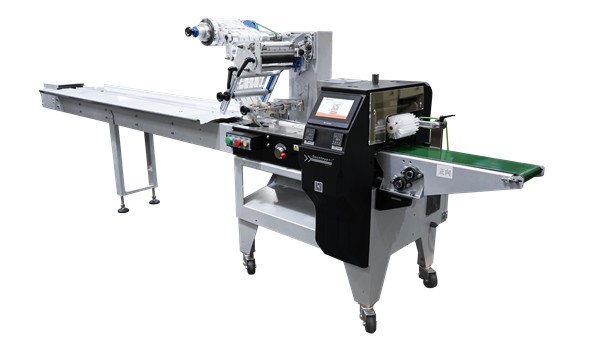
Soontrue SZ100 Flow Wrapping Machine ensures consistent sealing quality and product protection for biscuit and cookie packaging.
Bakery Products and Delicate Food Items
Bakery products often require additional attention because they combine fragile structures with high appearance requirements. Items such as bread, pastries, and cakes may be easily affected by pressure or unstable handling.
Unlike rigid products, bakery items can have softer textures and irregular shapes. The packaging process needs to provide sufficient control while maintaining the product’s original form.
Flow wrapping solutions designed for delicate food applications can support more stable product transfer and flexible packaging operations. By matching machine configuration with product characteristics, manufacturers can improve packaging consistency and reduce quality issues caused by handling.
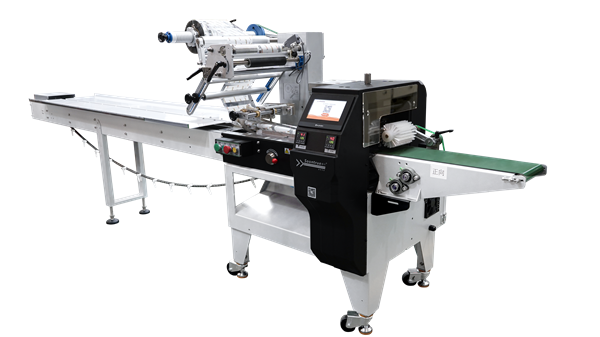
Soontrue SZ180 Horizontal Packaging Machine with a servo-control system and rotary end sealing technology. is ideal for bakery goods.
Other Fragile Consumer Products
Beyond food applications, flow wrapping technology can also support the packaging of various lightweight or delicate products. These products may require careful handling to maintain appearance, prevent damage, and ensure reliable package quality.
Common considerations include product stability, packaging speed, material selection, and the level of automation required.
A well-designed packaging solution considers both product protection and production efficiency, helping manufacturers create a stable process for different fragile product applications.
How Flow Wrapping Technology Helps Protect Fragile Products
Reducing Product Stress During Transportation and Wrapping
Product protection depends heavily on how smoothly products move through the packaging system. Controlled transportation helps reduce unnecessary friction, impact, and product displacement.
Flow wrapping technology supports this process through coordinated movement between feeding, wrapping, and sealing stages. A stable packaging environment allows fragile products to maintain their original condition while moving through automated production.
This approach is particularly valuable for high-volume manufacturers that need consistent packaging quality across large production runs.
Maintaining Product Appearance and Package Consistency
For many fragile products, appearance is closely connected with market value. A cracked biscuit, damaged edge, or deformed bakery item may influence consumer perception even when the product remains functional.
Reliable flow wrapping solutions help maintain consistent package quality through accurate positioning and stable sealing performance. This supports both product protection and brand presentation.
For manufacturers, packaging quality is not only measured by production output but also by the ability to deliver products in the expected condition.
Supporting Automated Production Without Compromising Protection
Automation has become an important part of modern food manufacturing. At the same time, fragile products require packaging systems that can maintain careful handling during high-speed operations.
Advanced flow wrapping solutions help manufacturers combine automation with product protection. Through optimized machine configuration and precise control, production lines can achieve stable performance while meeting the quality requirements of delicate products.
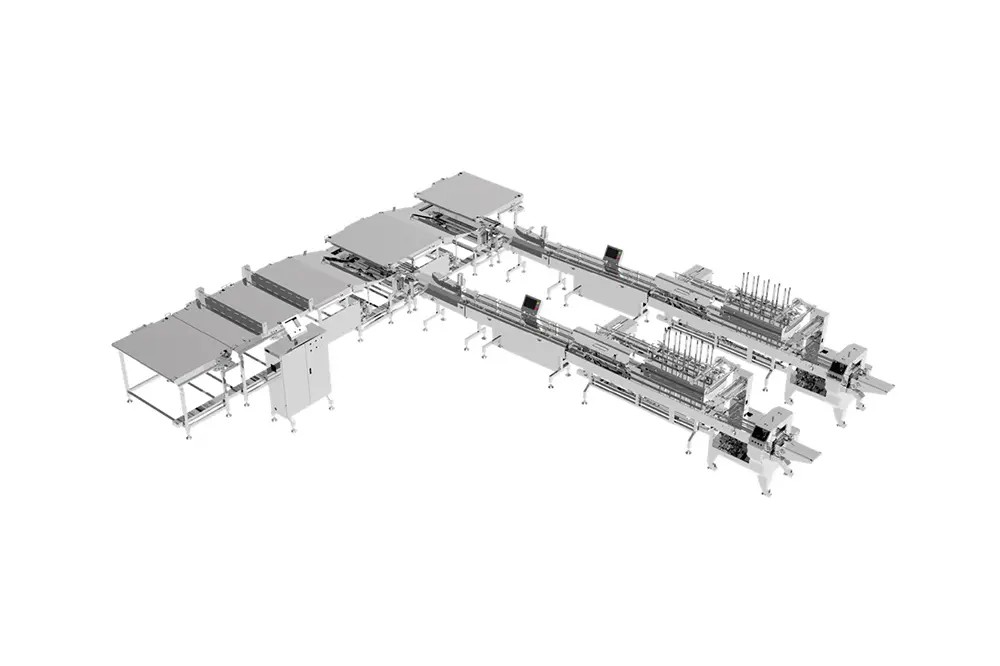
Soontrue Automatic Packaging Line With Tray featuring gentle handling protects fragile bakery items and delicate chocolates.
Choosing the Right Flow Wrapping Solution for Fragile Products
Evaluate Product Characteristics
Selecting a suitable flow wrapping solution begins with understanding the product itself. Important factors include product dimensions, structure, texture, and sensitivity to impact.
Products with different characteristics may require different feeding methods, packaging speeds, and machine configurations. A clear understanding of product requirements helps manufacturers identify a solution that matches their application.
Consider Production Requirements
Packaging decisions also depend on production goals. Manufacturers may need to evaluate:
- Required output capacity
- Product variety and changeover frequency
- Integration with existing production lines
- Future expansion requirements
A solution that supports current production needs while allowing flexibility for future changes can provide better long-term value.
Work with a Packaging Partner for Customized Solutions
Fragile product packaging often requires more than a standard machine setup. Equipment configuration, feeding methods, and packaging processes may need to be adjusted based on specific product conditions.
Working with an experienced packaging equipment provider helps manufacturers develop solutions that balance product protection, efficiency, and automation requirements.
Soontrue Flow Wrapping Solutions for Fragile Product Packaging
Soontrue provides flow wrapping solutions designed for manufacturers that need reliable packaging performance for delicate products. By focusing on stable product handling, precise packaging control, and flexible configurations, Soontrue helps businesses improve packaging consistency while protecting product quality.
Different fragile products require different approaches. With experience in automated packaging solutions, Soontrue supports manufacturers in developing packaging systems that align with their product characteristics and production objectives.
Explore Soontrue flow wrapping solutions to find a suitable approach for protecting fragile products while achieving efficient automated packaging performance.
FAQ
Can flow wrapping machines package fragile products?
Yes. Flow wrapping machines can be used for many fragile products when the packaging system is properly configured for product characteristics. Feeding stability, product positioning, and sealing control are important factors in protecting delicate items.
What types of products are considered fragile for packaging?
Fragile products commonly include biscuits, cookies, wafers, bakery products, confectionery, and other items that can be damaged by pressure, impact, or unstable movement.
How can manufacturers reduce product breakage during packaging?
Manufacturers can reduce product damage by improving feeding stability, maintaining accurate product positioning, and selecting packaging equipment that matches product requirements.
Why is feeding control important for fragile product packaging?
Feeding control affects how products enter the packaging process. Stable feeding helps reduce collisions, maintain spacing, and improve packaging consistency.
What factors should be considered when choosing a flow wrapping solution?
Key factors include product characteristics, production speed, packaging requirements, automation level, and the ability to customize the system for specific applications.
Can flow wrapping machines be customized for delicate products?
Yes. Flow wrapping solutions can be adapted through different configurations, feeding systems, and packaging settings to meet the requirements of various fragile products.